Insight
The untapped potential of the traditional canteen
Empty, unused spaces dominate Danish companies. Or rather, one specific space does: the canteen. In fact, 22% of Danish offices have a canteen that stands empty outside of lunch hours. This is shown in a study conducted by PLH in collaboration with the research institute Norstat. It’s wasted space and potential for both companies and employees, workplace experts point out.
The traditional canteen as we know it creates dead square meters and missed opportunities for companies and their employees. In 43% of Danish companies, the canteen is used primarily for lunch, and more than one in five (22%) canteens are generally empty outside lunch hours.
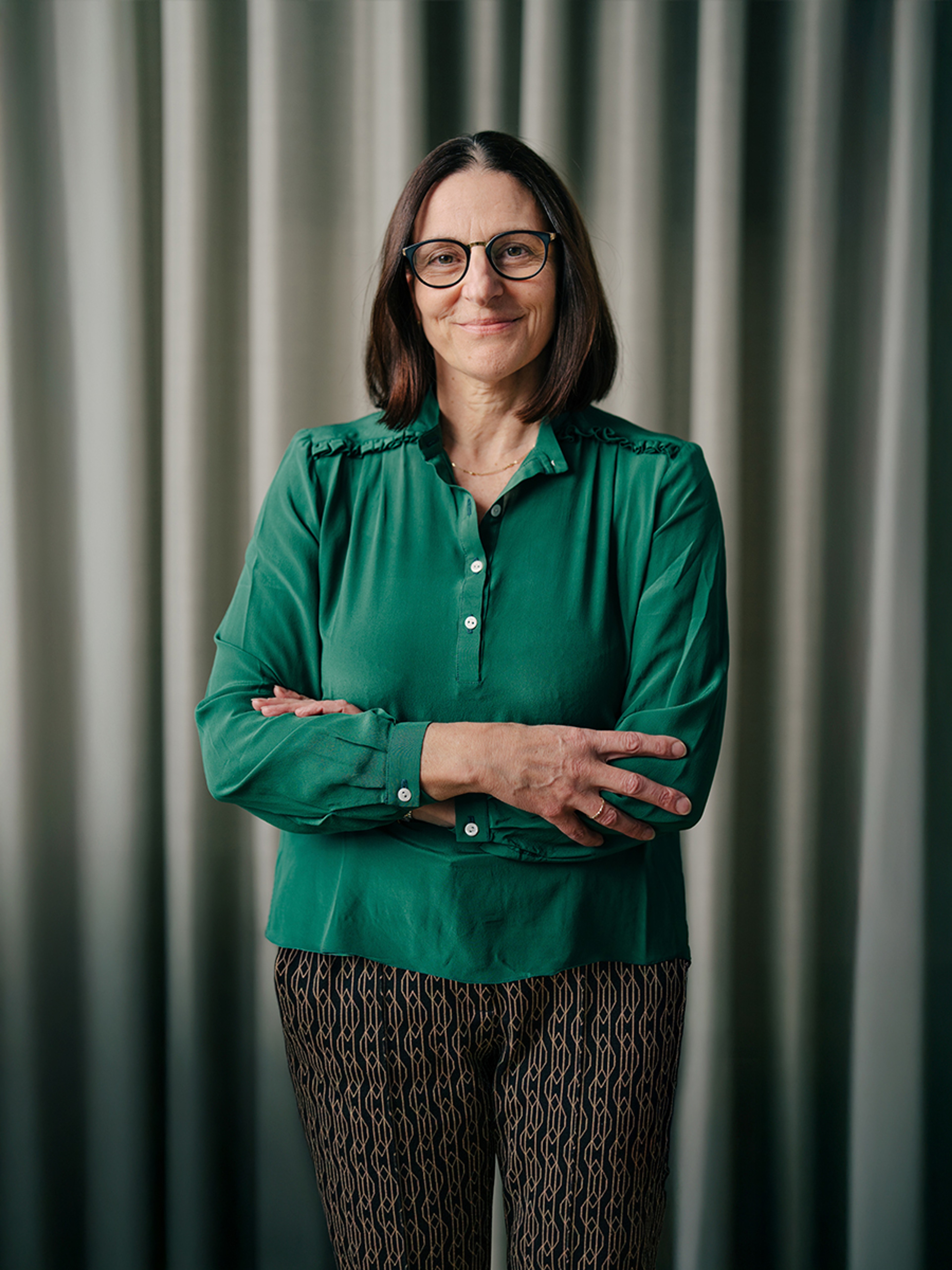
“Our research shows significant untapped potential – with the canteen as a clear example. We know that spaces influence people. Empty, unused areas feel demotivating, while flexible environments can create life, energy, and a sense of community throughout the working day,” says Paulette Christophersen, Partner, PLH.
Some might argue that a canteen is, after all, designed specifically for lunch breaks. But when you put it into perspective, the traditional canteen stands empty for a substantial portion of the working day.
A typical Danish office that uses its canteen only for lunch will usually occupy it from 11:30 am to 1:00 pm. That means the canteen is used for just 1.5 hours during a workday. If you take the calculation a step further, the canteen stands empty for 29.5 hours out of an average 37-hour workweek. In other words, for nearly 80% of working hours, the canteen is vacant and unused.
Anyone who takes employee well-being and space utilization seriously should review their passive square meters, Christophersen emphasizes. And this applies not only to canteens, but also to other single-purpose areas such as corridors, meeting rooms, kitchenettes, auditoriums, and similar spaces.
Rethinking the office
According to futurist and knowledge workplace expert Claus Sneppen, Associate Partner at the Copenhagen Institute for Futures Studies and author of The (R)Evolution of the Office Workspace (Springer, 2025), the office is undergoing a fundamental transformation. Historically functioning primarily as an operational space for daily tasks, the office is increasingly evolving into a deliberately designed space for collaboration and relationships in an ever more digital work environment for knowledge workers. Sneppen sees the canteen as a concrete and down-to-earth example of this development.
Claus Sneppen, author and Associate Partner at the Copenhagen Institute for Futures StudiesThe canteen is an obvious example of a space that should be reimagined as a unifying relational and social environment that extends beyond the lunch break. As employees meet less frequently in person, the importance of the interactions that do take place increases. Here, the canteen, and other shared spaces, can and should play a far more active social role for both the organization and its employees throughout the working day.
Transform traditional areas into new opportunities
We know that spaces influence people. And at a time when many employees prefer working from home, rethinking traditional areas can not only inject new energy into the office but create entirely new life, vitality, and community within the company. The impact of hybrid work on the physical work environment has made it even more important for companies to consider the experience they offer their employees.
“We know that a canteen can be transformed into much more than a lunch venue. It can become a gathering point and workspace throughout the day, where people can enjoy breakfast, lunch, dinner, and even grab-and-go meals between meetings or on their way home. When you combine zones for different purposes, people feel encouraged to linger and build social relationships. This creates a safe and informal foundation for collaboration and innovation,” says Paulette Christophersen.
Many companies are competing to attract and retain talent, and the spaces we previously overlooked may prove to be the most valuable. Canteens and kitchenettes should be reimagined as active hubs: places for informal team meetings, casual communication from management, social activities, surprise events, or drop-in work sessions. Not necessarily through major investments, but through new habits, operations, and interior design that invite people to stay.
“As the needs of our offices change, the office experience becomes even more important. If we rethink traditional spaces, those dead square meters can come back to life. Many people love a café atmosphere, for example, and we have created that in several design concepts, with the result that people enjoy a good cup of coffee in informal meetings with colleagues or work there on their laptops as a break from their desks. It builds culture, attracts employees, and gives the brand physical presence. It brings people together,” says Paulette Christophersen.
Related projects
Keep exploring
Copenhagen, Denmark
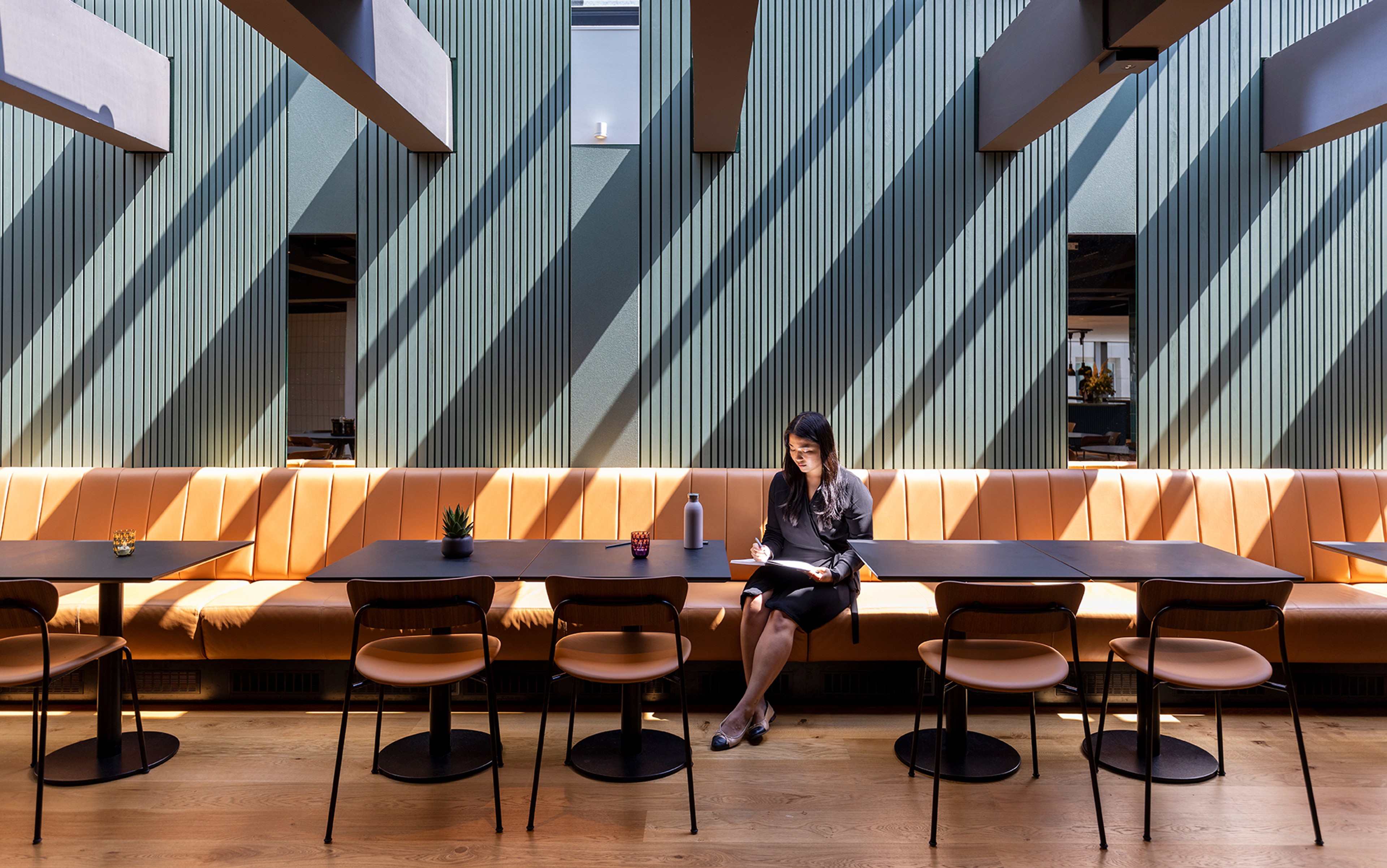
Transformation from canteen to the heart of the headquaters
Maersk Bistro
Copenhagen, Denmark
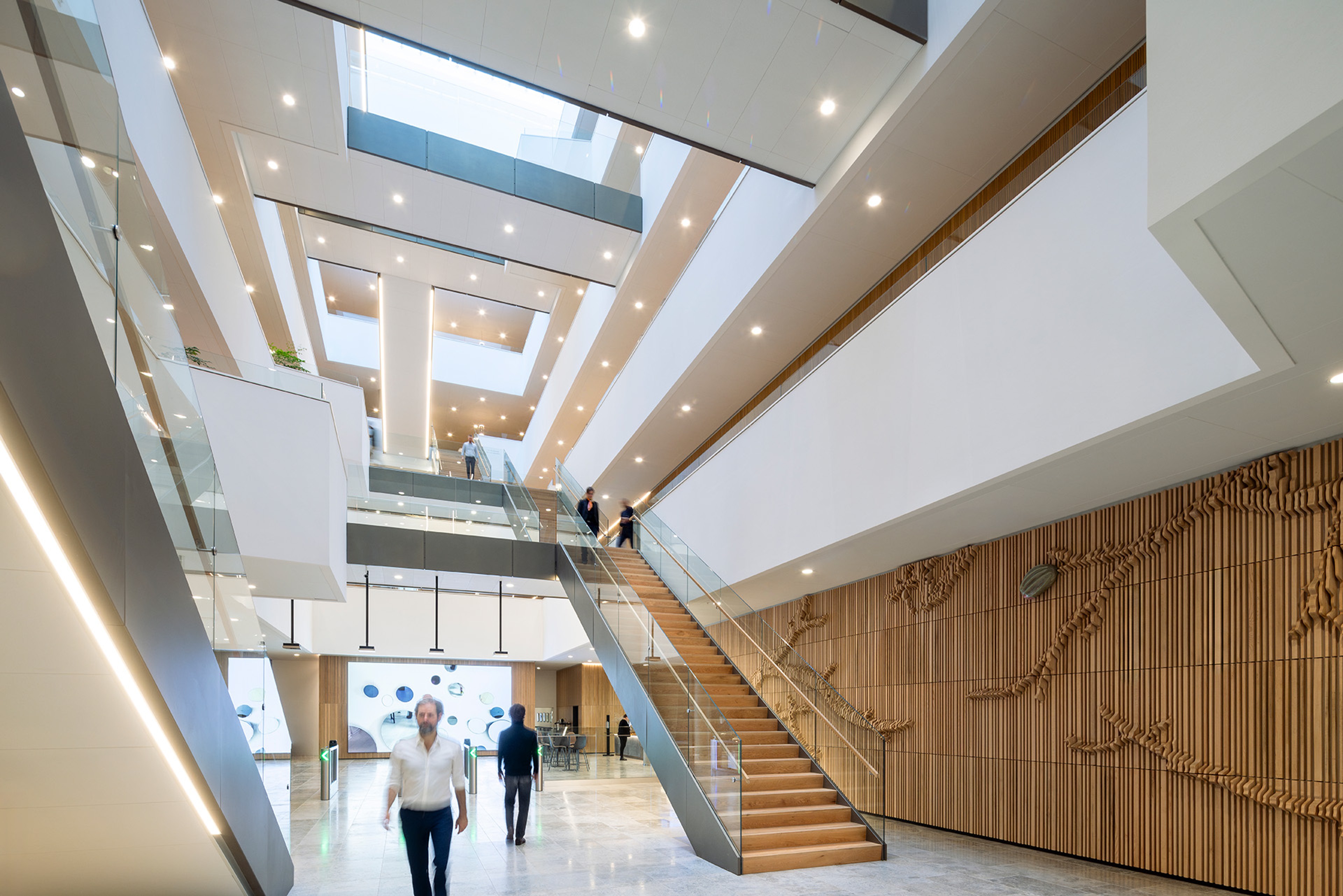
Designing for belonging
Nykredit
Copenhagen, Denmark
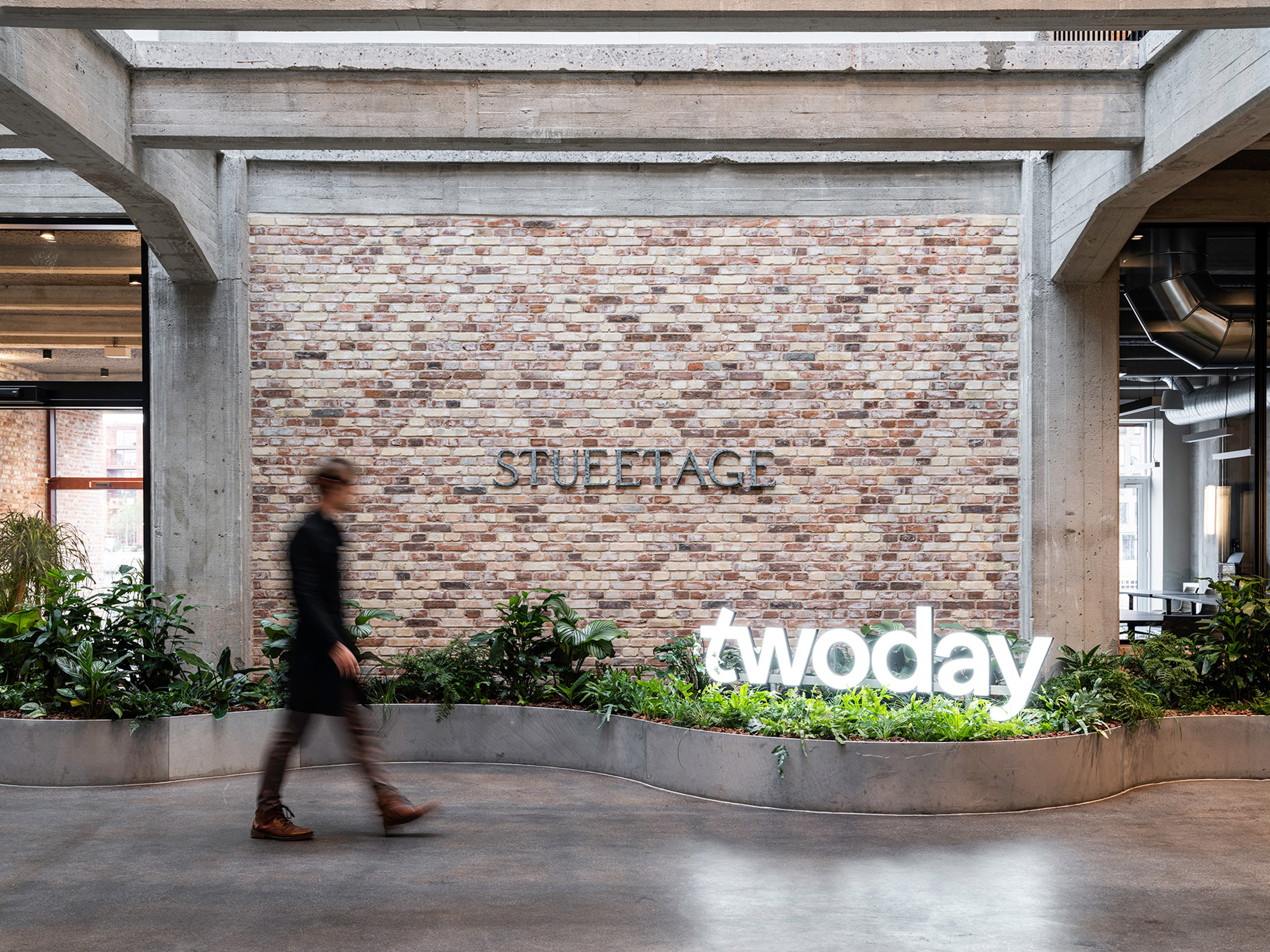
A collaborative workspace reflecting identity and purpose
twoday
Reach out