Insight
The trends shaping tomorrow's hotels
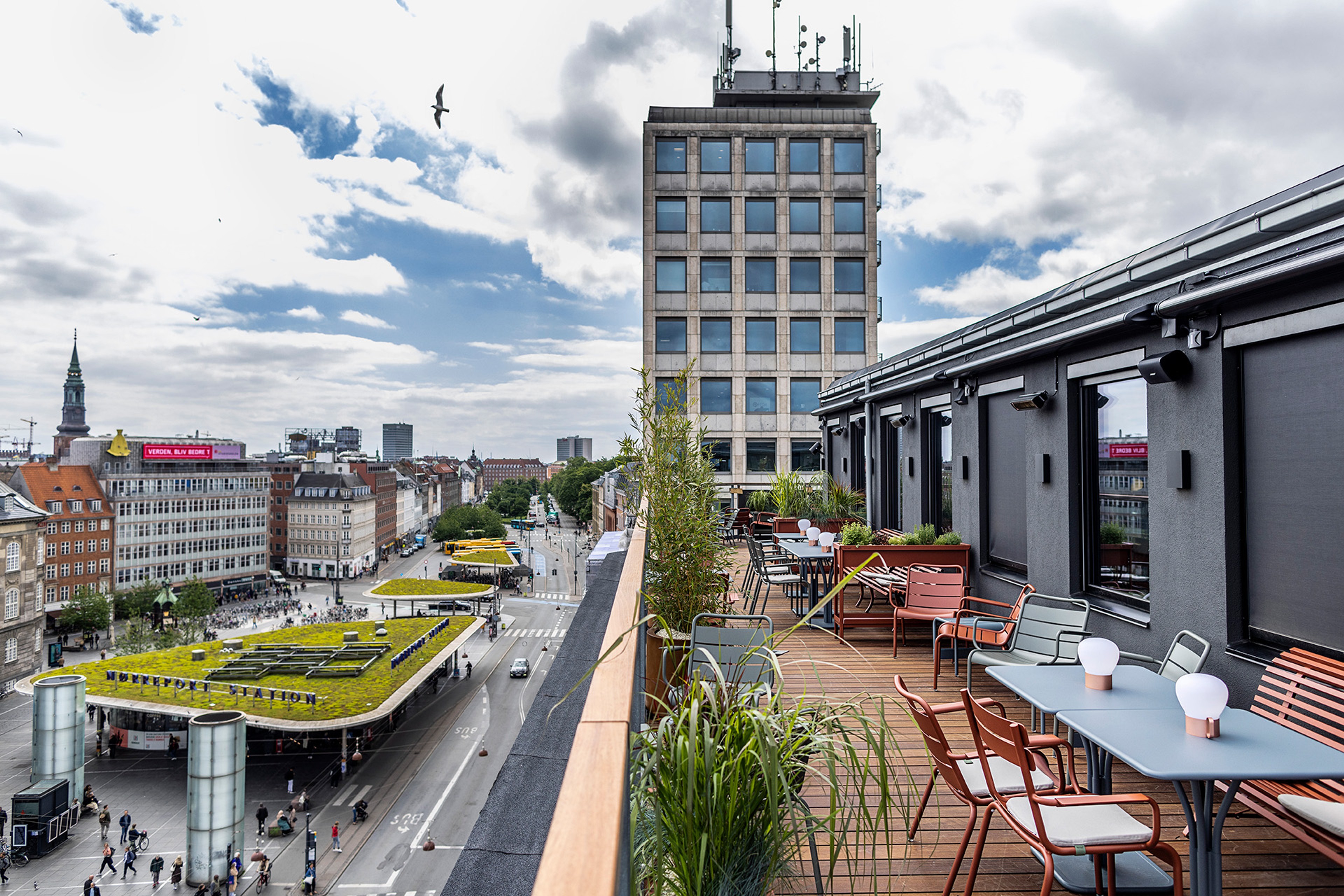
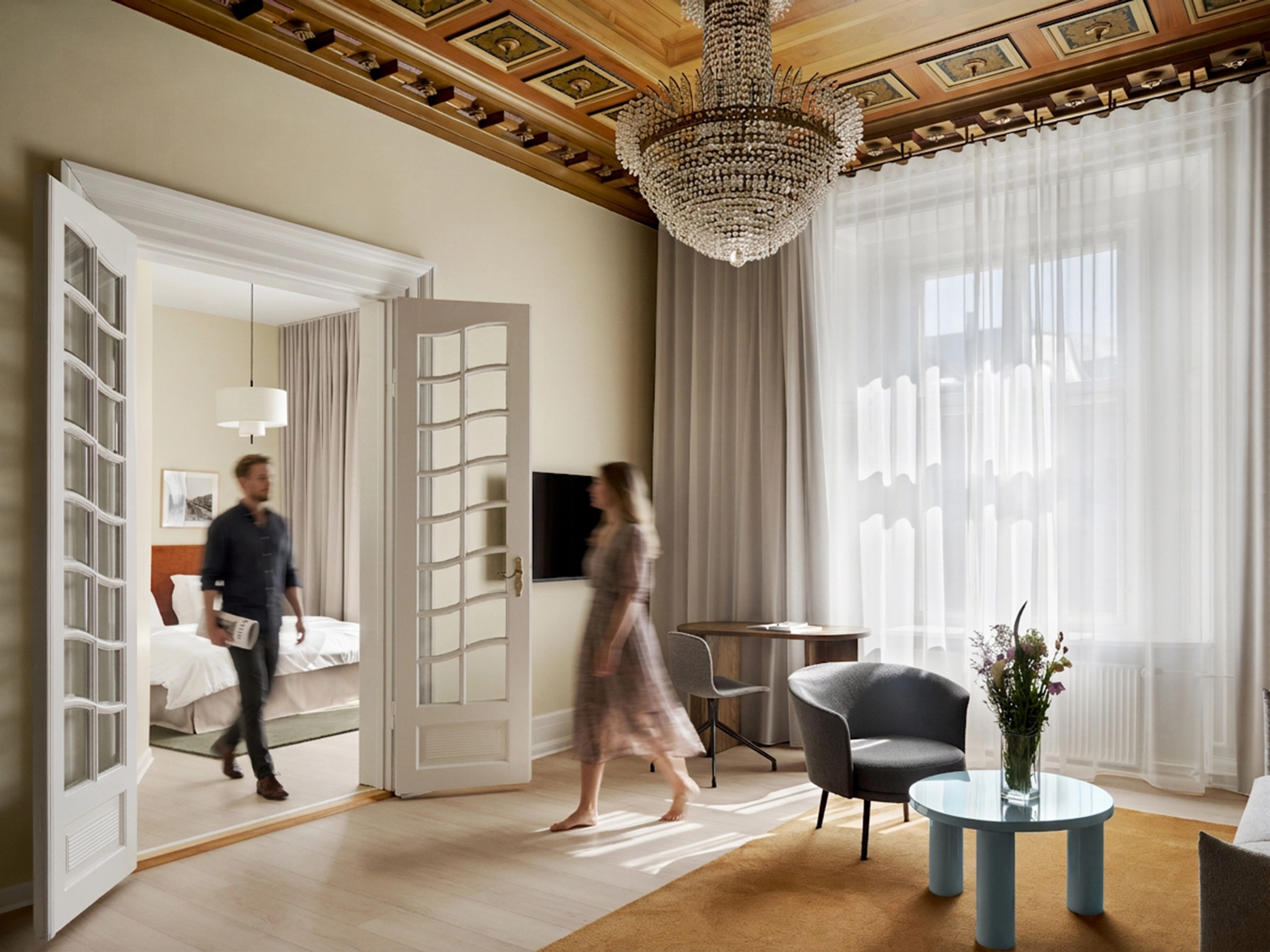
Guests want both the reassurance of a well-known brand and an experience they can't get anywhere else. This is changing the way hotels are conceived, designed and operated. PLH's architects Lars Toksvig, Ida Kleve and Søren Mølbak share their take on the trends that matter right now.
For many years, hotel design was about recognizability. Uniform experiences felt safe, which is why hotels looked alike all over the world. That picture is now changing.
"After COVID-19, many people have realized that life is short and should be made the most of. We have also become wealthier. That's why we're seeking out experiences and the unique," says Søren Mølbak from PLH.
As digitalization and social media make the world more alike, uniqueness becomes a competitive advantage. If you come to Copenhagen, you want the Scandinavian experience.
The boutique concept is spreading
The market spans a wide range, from no-frills budget hotels to five-star hotels with gourmet restaurants and wellness facilities. Yet even the large chains are now creating sub-brands with boutique concepts, and they have become better at adapting to the cities they build in. Because it is difficult to find space for large new builds, existing buildings are increasingly being converted into themed hotels and hotels with a distinct sense of luxury.
Many kinds of guests under one roof
Today's hotel has to accommodate far more types of guests than before. Business travelers need to be able to work on the road, while families and multi-generational groups have entirely different needs. At the same time, demand is growing for serviced apartments with a small kitchen, among families, expats and people who need temporary housing.
"You have to know which visitors you're designing for, and in a hotel, they can be many different kinds," says Ida Kleve from PLH.
A growing group of guests is also looking for boutique hotels with experiences linked to health and longevity, such as ice baths.
The experience has to beat Airbnb
Airbnb is a major competitor, so the hotel as a whole has to offer something a rented apartment can't. That might be food experiences, good working conditions or social spaces, and this is where the common areas play a crucial role. For many operators, offering an experience you can only get at the hotel is a key measure of success.
Flexibility and technology in the room
Guests increasingly want to control lighting, heating and TV content themselves, for example via a tablet. At the same time, both rooms and common areas need to be adaptable. In a current competition, PLH is working with hotel rooms that can be combined or function separately, and with common areas that can be scaled to the operator's needs. A sky bar, restaurant, conference facilities, gym and spa can be included as part of the hotel package or run by local operators. This gives the developer greater freedom to shape the business case.
Lars Toksvig, Partner, PLHHotels have developed their own identities. And that's where architecture really makes a difference.
Related projects
Keep exploring
Copenhagen, Denmark
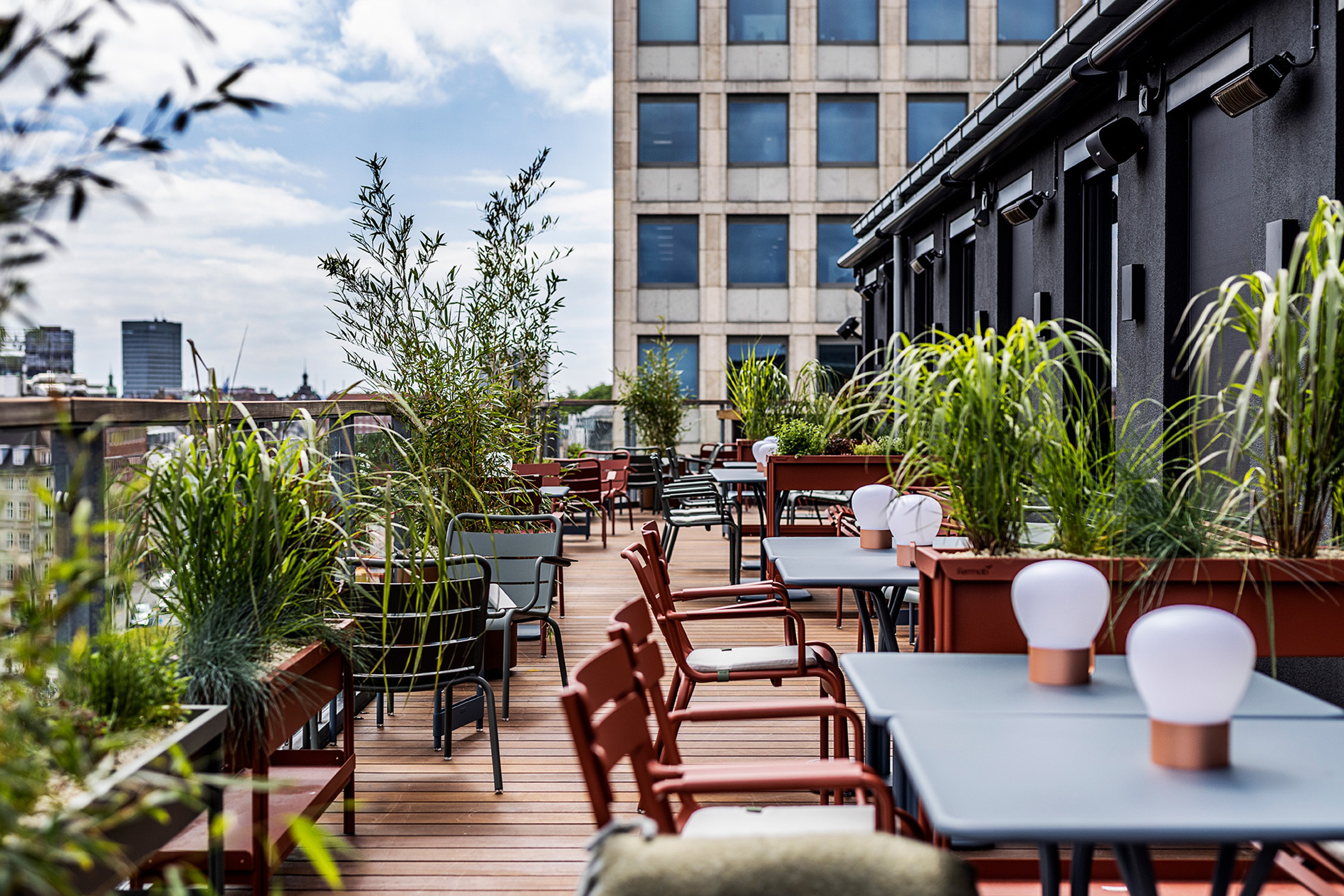
Historic transformation in the heart of Copenhagen
Scandic Nørreport