Insight
Infrastructure built to last more than 100 years
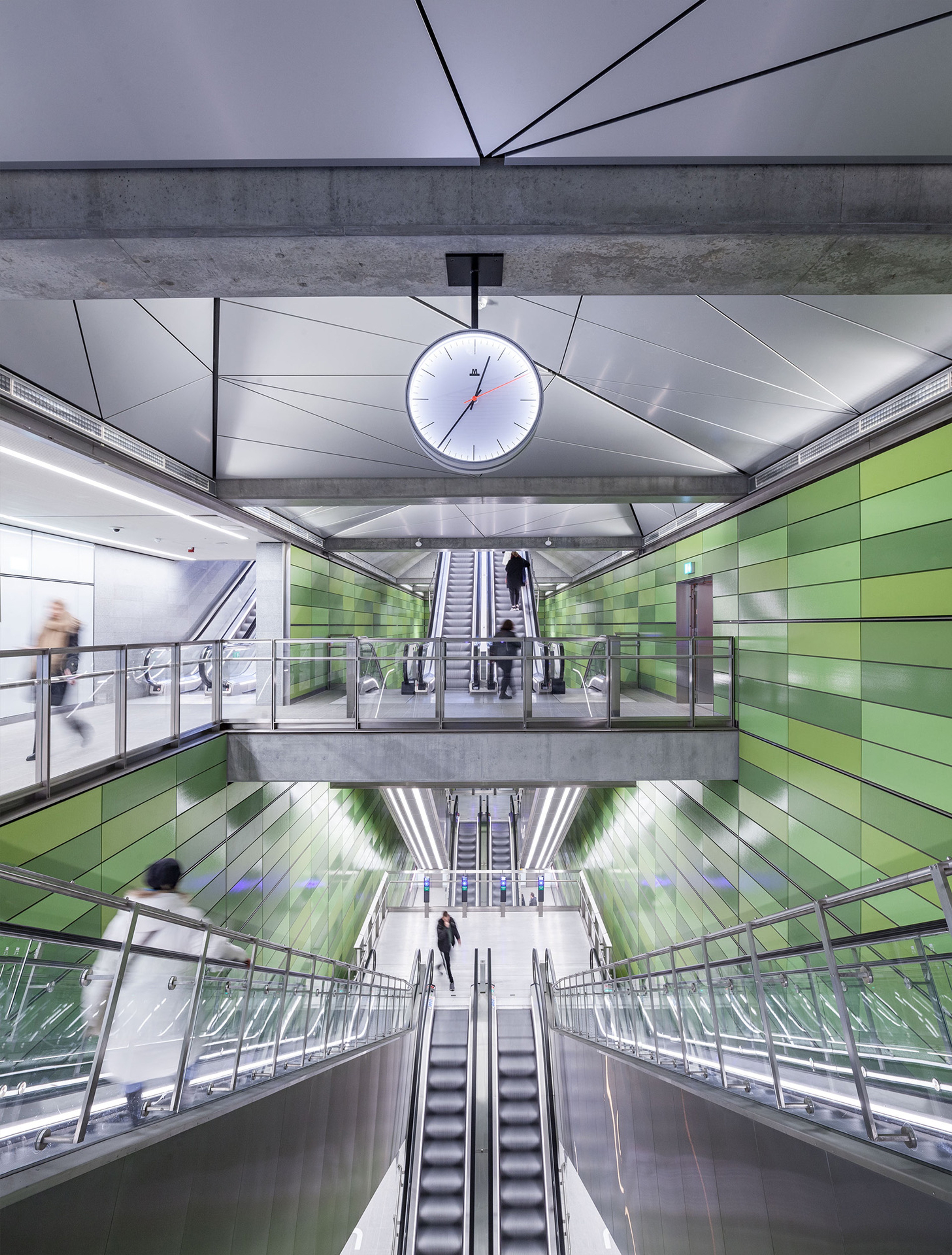
A metro system, a bridge or a motorway is not built for the next decade but for the next generations. That places special demands on sustainability, robustness and the ability to adapt.
Most buildings are judged on their first years. Infrastructure should be judged on its next hundred.
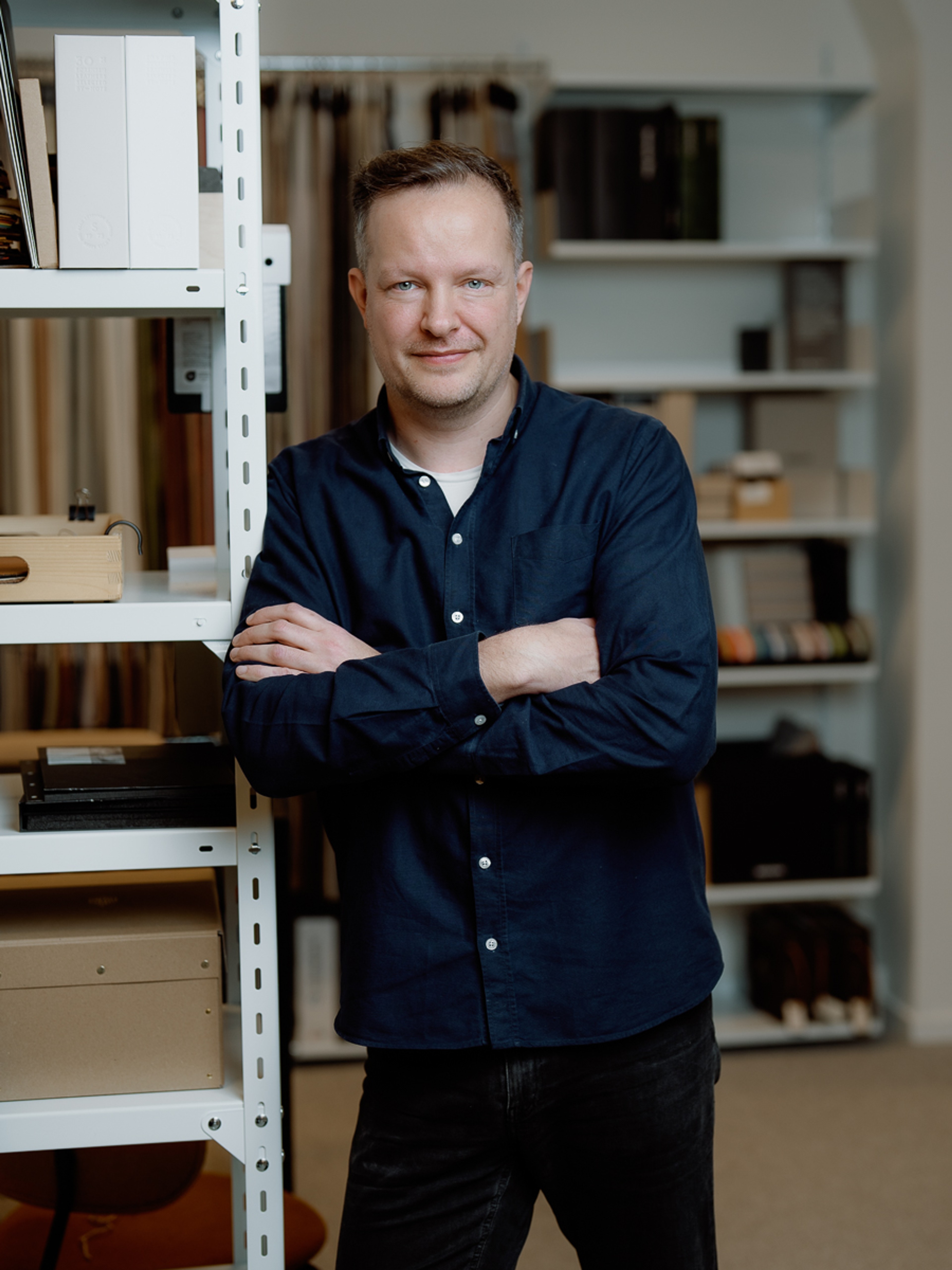
“Infrastructure typically has to last 100 to 150 years. The projects reach far into the future and affect nature, surroundings and cities. That is why they have to be designed and built properly. A little foresight can make a big difference,” says Christian Henriksen, Architectural Technologist and Head of Business Development at PLH.
Sustainability starts with the structure
When a facility must last this long, the carbon footprint embedded in the structure itself is crucial. This is where architects and engineers can find major gains together.
“Designing infrastructure is also an exercise in optimization. With the right profiles and materials, you can save CO2,” says Christian Henriksen.
A new bridge in Riga is one example. The columns are designed asymmetrically so that they act as icebreakers against the ice on the river. This saves material, and the bridge also appears lighter in the cityscape.
Clients are asking for this too. The Copenhagen metro company, for example, wants to build greener so that its carbon footprint is better aligned with its ambitions.
A facility should give something back to the landscape
Large facilities inevitably affect the landscape. That is why PLH analyses the landscape thoroughly to give the infrastructure as small a footprint as possible. This was the case with the railway to Fehmarn, among others, where the analyses were tested together with the engineers.
“We ask both: what are we destroying? And: what can we contribute? You can’t look only at engineering or only at aesthetics. It’s the interplay that counts,” says Søren Mølbak, CEO and Partner at PLH.
On the Køge Bay Motorway, PLH has advised on the architecture along the route. PLH has also worked with lighting to improve users’ sense of safety in the many underpasses beneath the motorway.
How a facility is integrated also matters for the political process. “We can contribute the story of the project. We can show how it finds its place in the landscape, with regard to biodiversity, light pollution and wildlife,” says Christian Henriksen.
Built to change
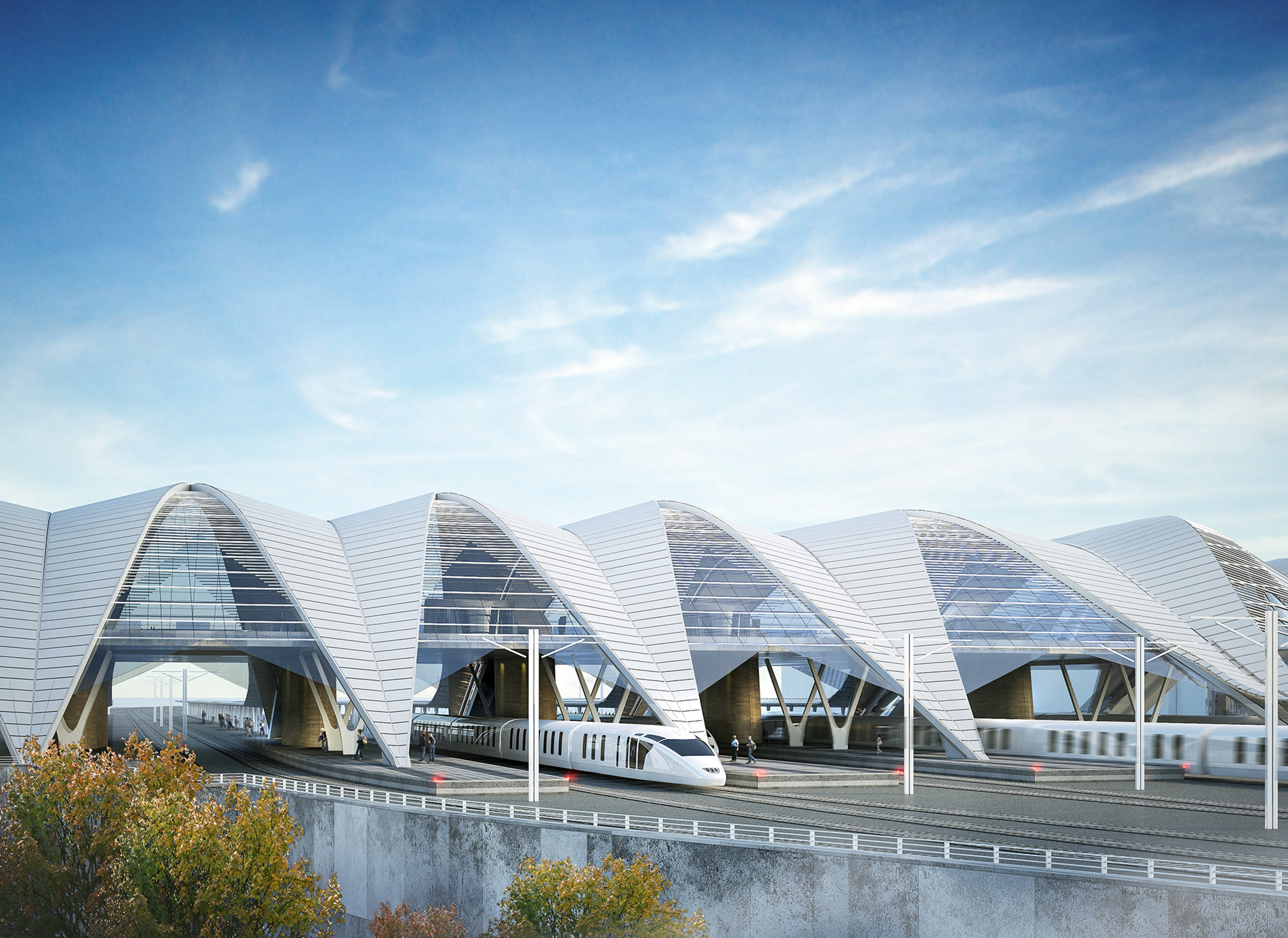
Future proofing is not only about lasting but also about being able to adapt. Railway stations have always evolved alongside modes of transport, and they will continue to do so.
“The buildings must be able to accommodate change over time. Perhaps railway stations will become more like airports, with check-in and lounges. The most important thing is to prioritize travelers, so people continue to want to use public transport,” says Christian Henriksen.
Søren Mølbak suggests that the security aspect from aviation may also spread to trains. At the same time, the green transition, electrification, digitalization, climate adaptation and biodiversity will shape the projects of the coming years.
Foresight pays off
Infrastructure requires patience. Many years ago, PLH helped work on the alignment of the railway to Fehmarn and the location of Køge Nord Station. It required foresight, and only now is the project complete.
Riga Central Station shows what long-term planning can give a city. The station sits on a bridge, with life able to unfold beneath it.
“When Riga Central Station is completed, it will tie together a city that has previously been very divided. The station literally builds bridges,” says Søren Mølbak.
Related projects
Keep exploring
Tallinn, Estonia
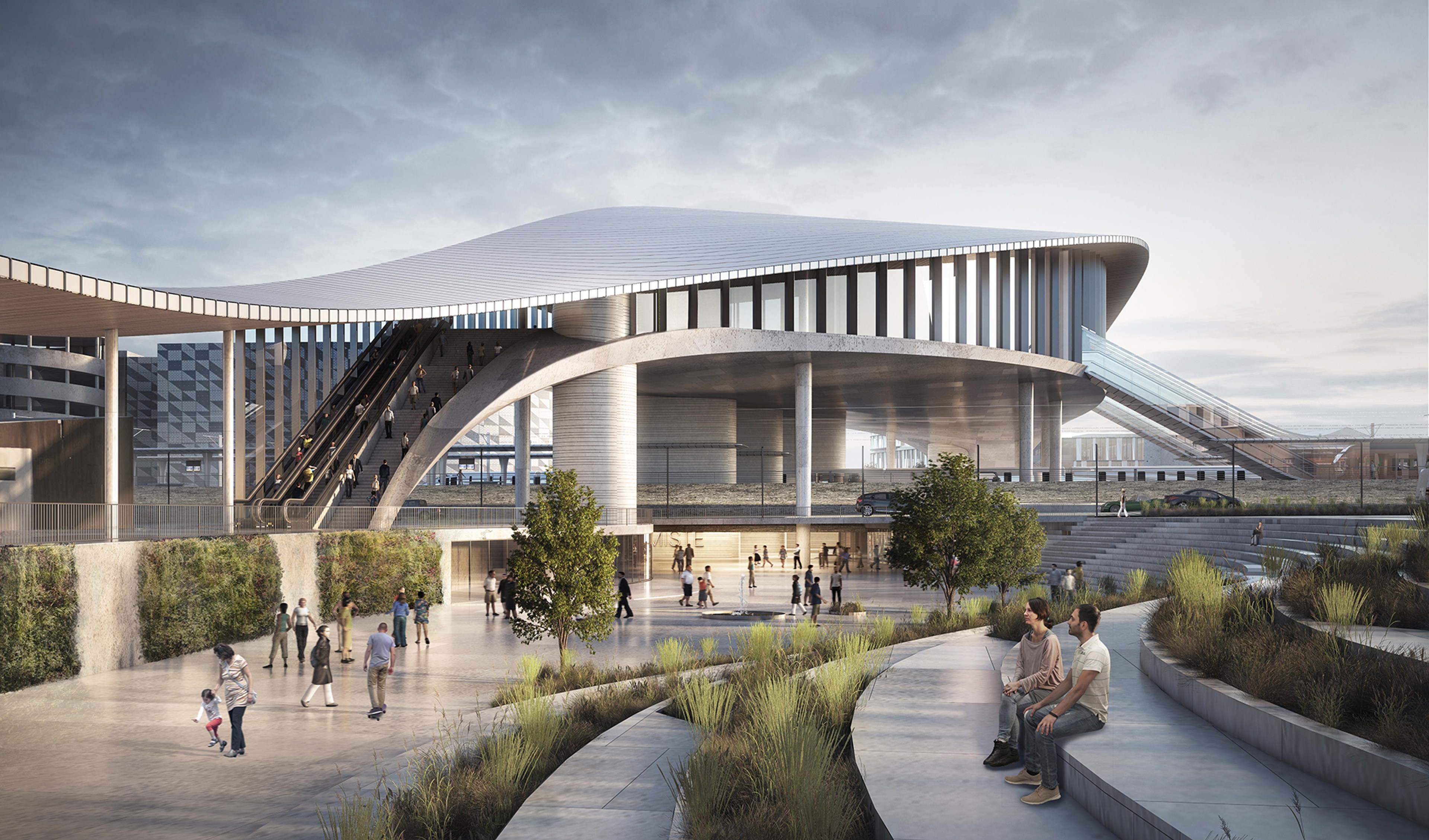
Connecting people, city and nature
Train station in Tallin