Insight
Where people meet infrastructure
Stations, airports and motorways are among the most used things we build. Yet few people stop to think about how they are experienced. At PLH, this is exactly where architecture makes its greatest difference.
We use them without thinking: the metro station on the way to work, the check-in hall before a holiday, the motorway home. Infrastructure is everyday architecture in its purest form. It is heavy with technology and function, yet it is used by almost everyone.
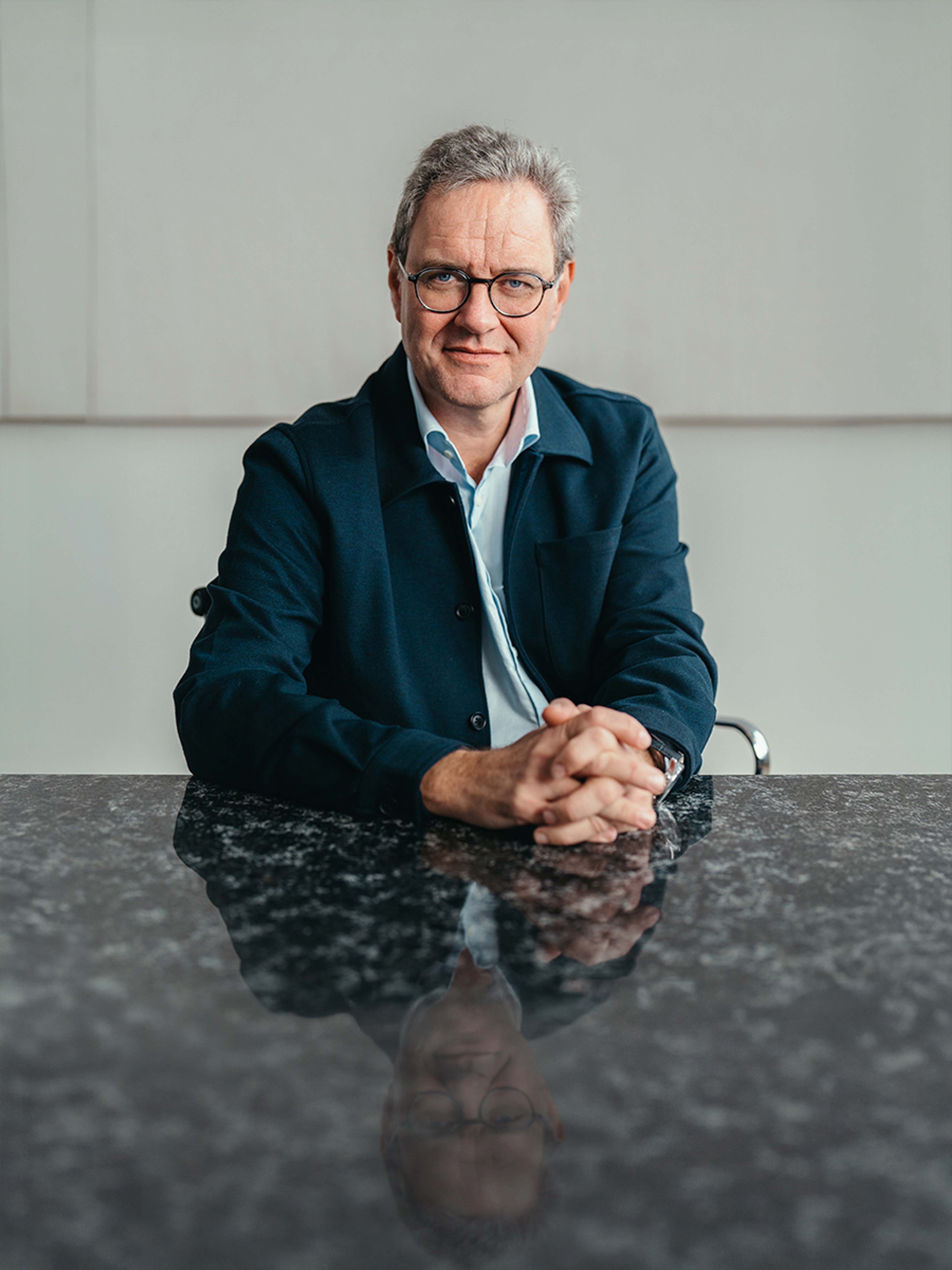
“Infrastructure is made up of everyday things that everyone uses. So, the question is always: how can we make it better, more experience-driven and safer?” says Søren Mølbak, CEO and Partner at PLH, who has worked on the architecture of infrastructure projects throughout his career.
A city’s calling card
The first building you encounter in a new city or country is usually an airport or a railway station. That is why infrastructure carries so much identity.
“Every country wants impressive airports and central stations. There is something iconic about the first building you meet. Beyond all the functional aspects, it is the calling card of the country or the city,” says Søren Mølbak.
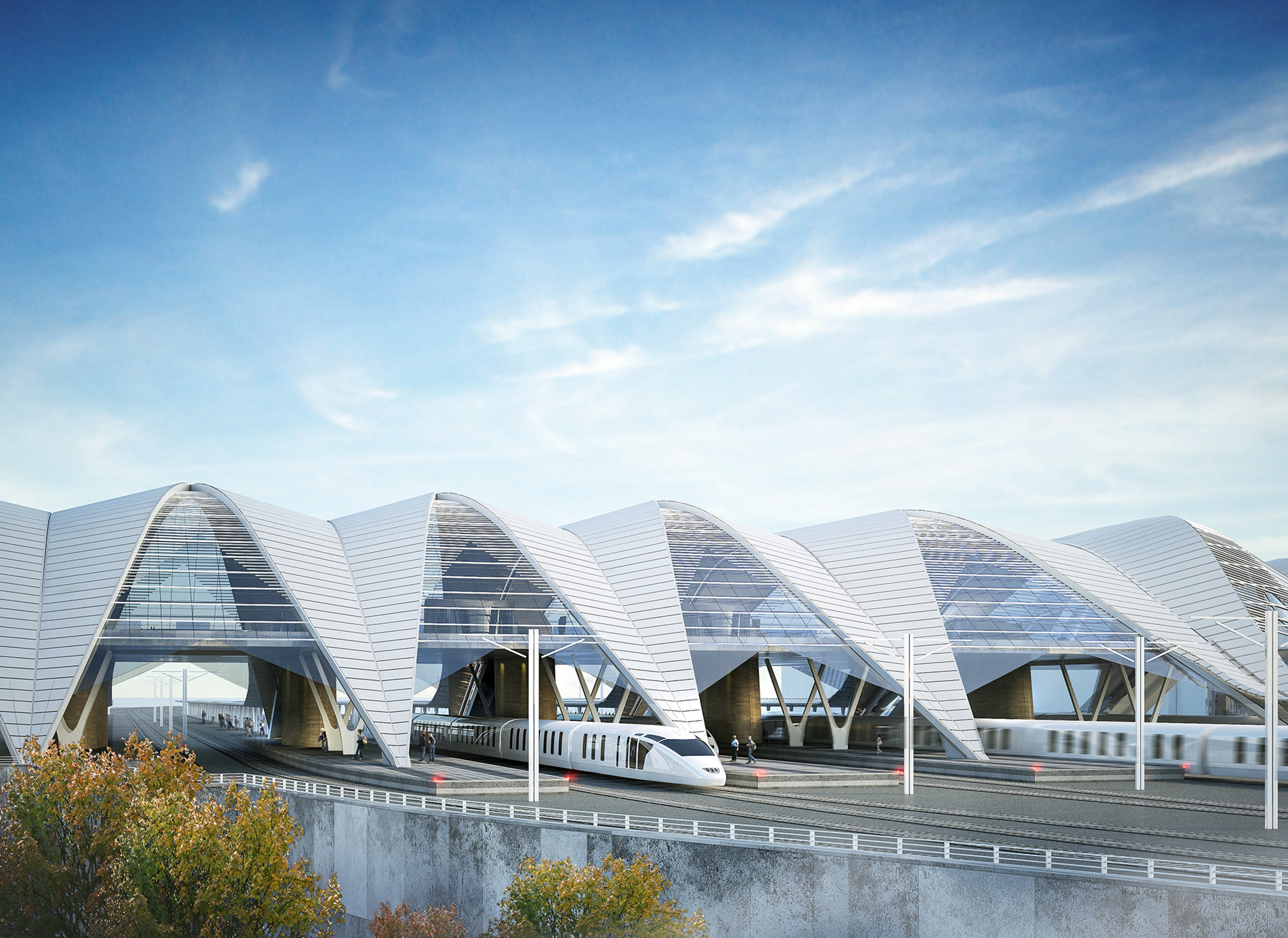
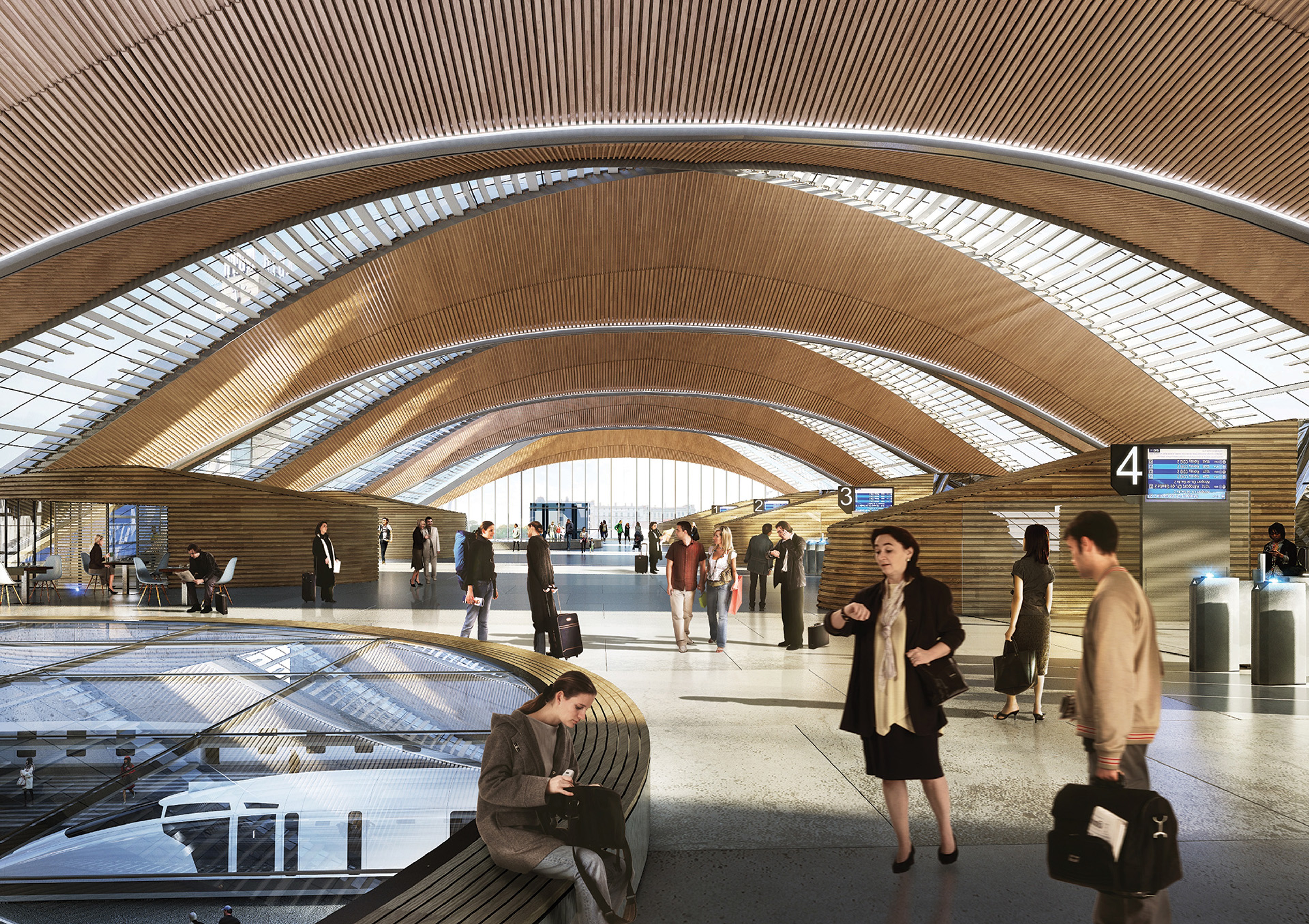
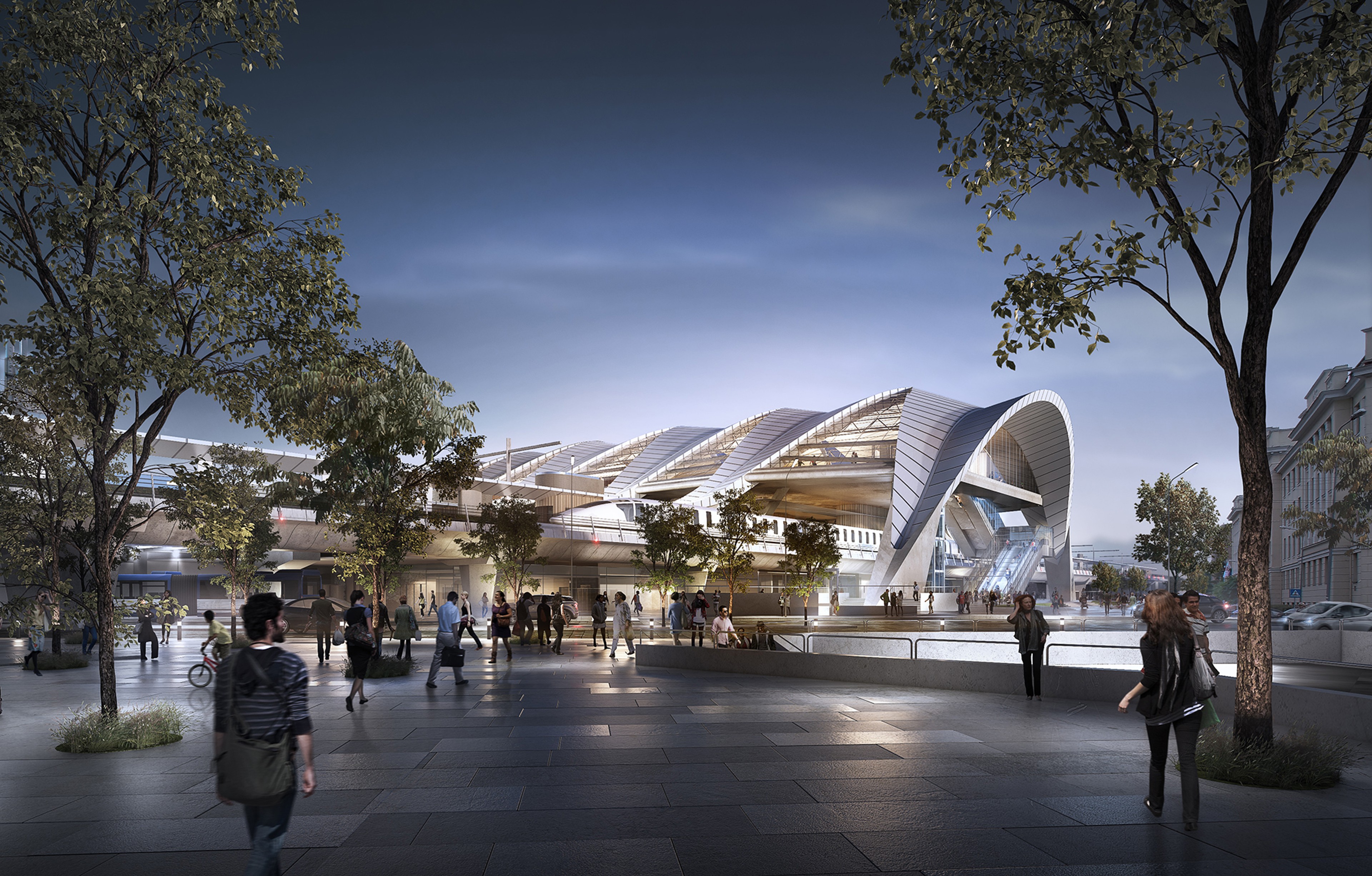
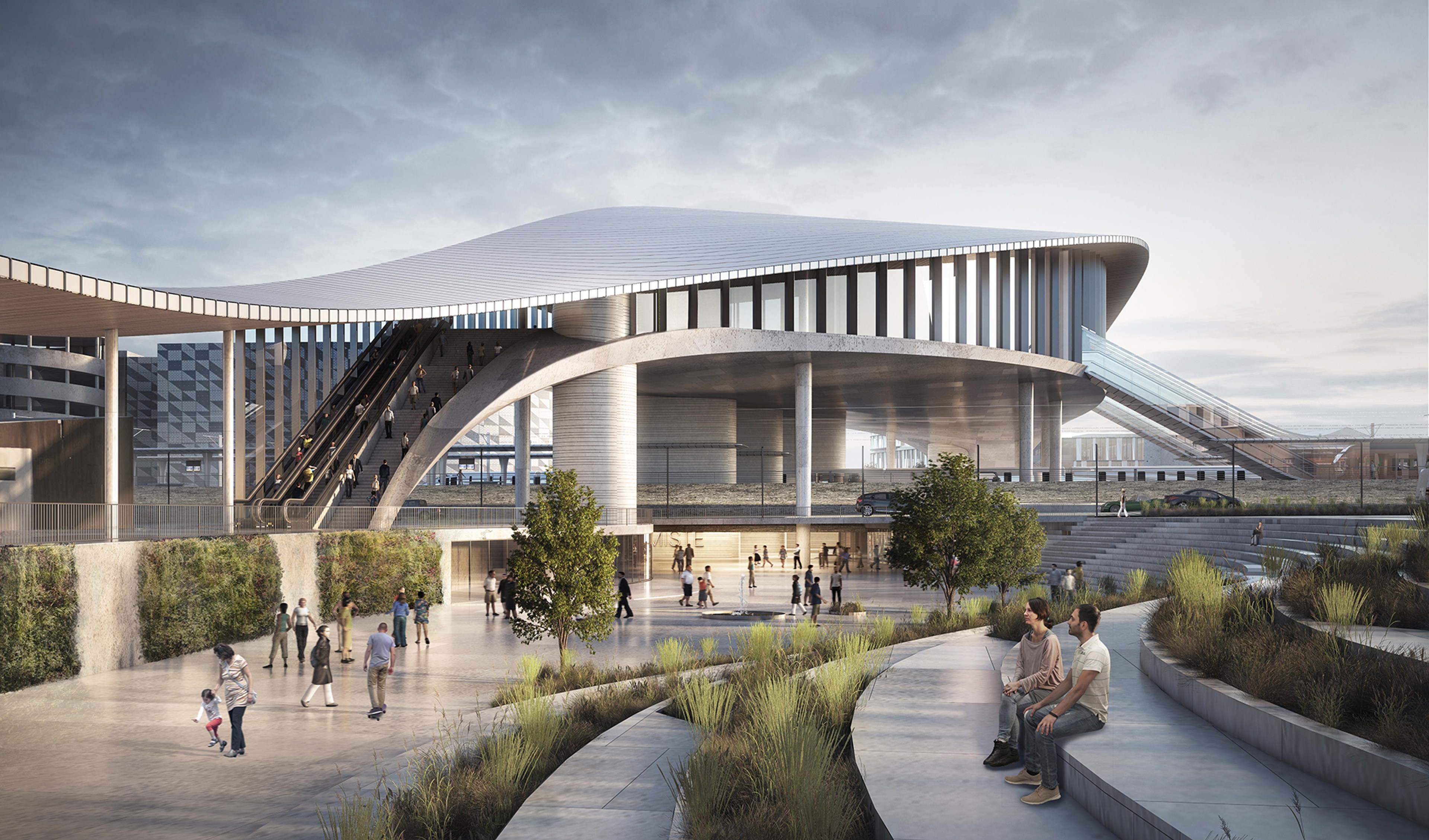
This is clear in PLH’s work on Riga Central Station. Here, the goal is an identity-defining landmark that welcomes people to the city. The design draws on references from the classic English railway stations, which makes the building’s story easy to read.
Safe, intuitive and for everyone
Where the calling card is about the big gesture, the everyday experience is about the details. This is where the architect works with what Christian Henriksen calls the meeting between people and buildings.
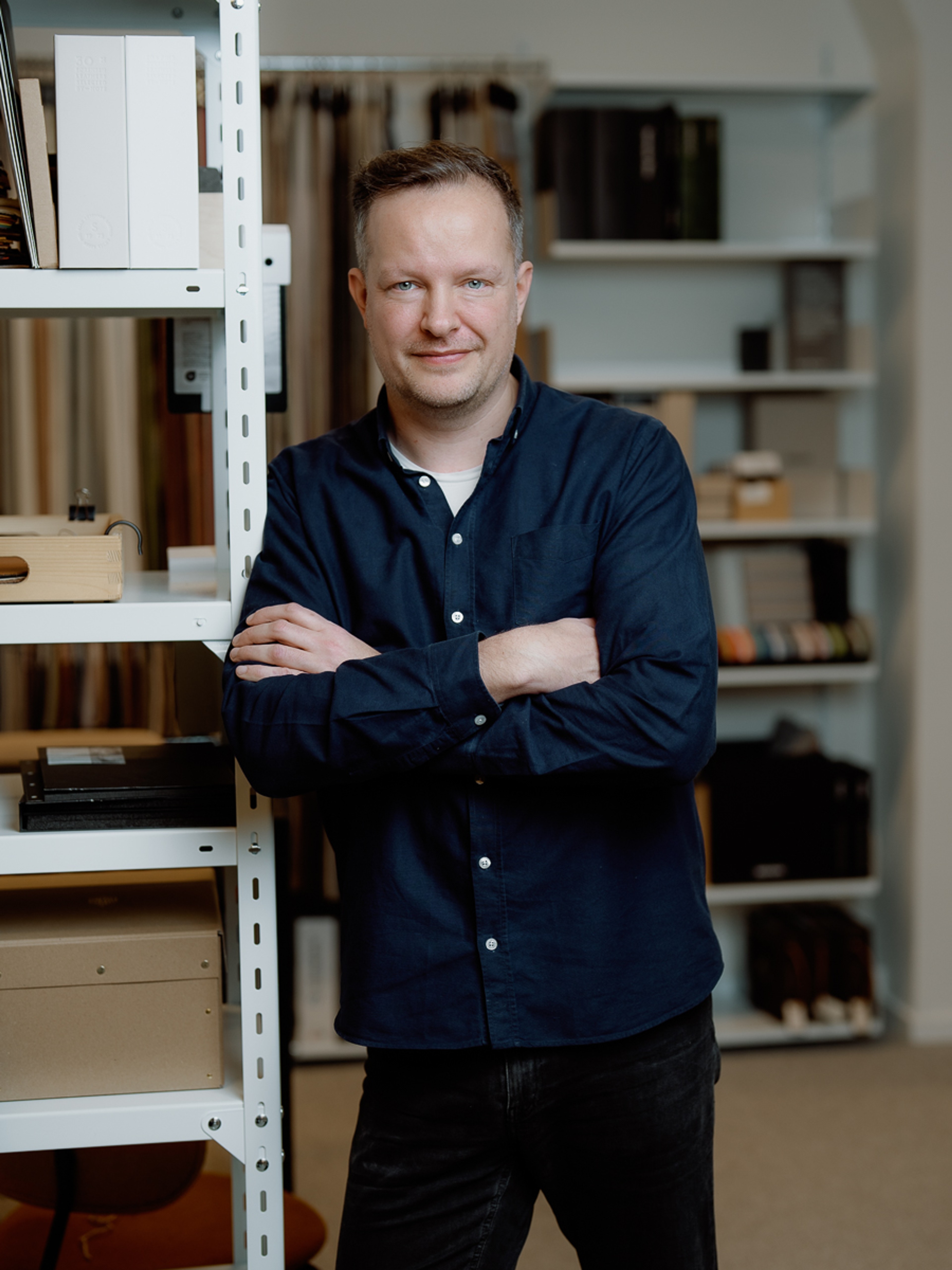
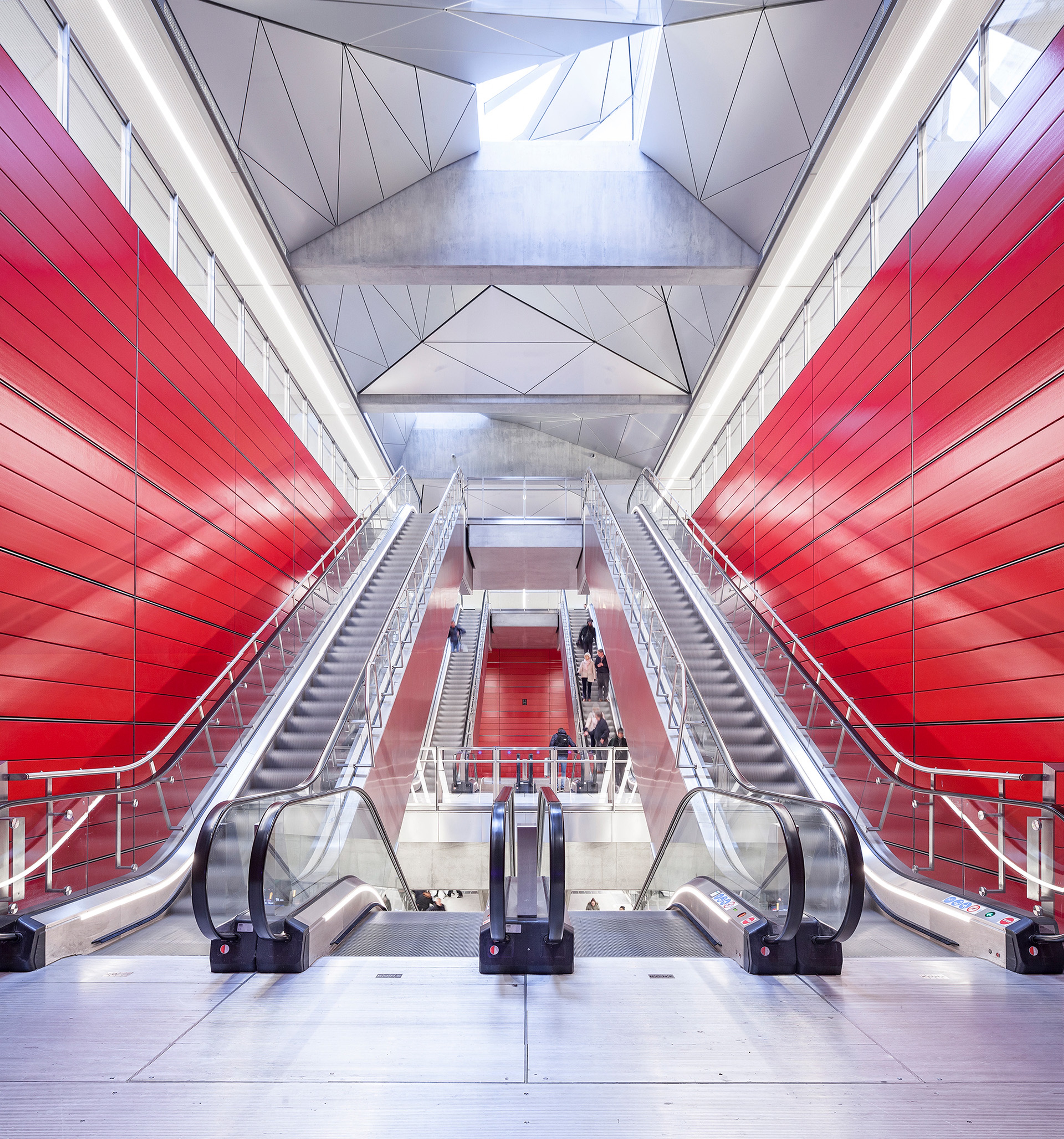
“We work where people meet the building. That covers everything from the tactile qualities and the acoustics to the balance between rushing and waiting. And it has to feel safe,” says Christian Henriksen, Architectural Technologist and Head of Business Development at PLH, who has managed the practice’s work on the Copenhagen Metro, among other projects.
Universal design is a guiding principle throughout. Everyone should be able to travel safely and find their way, whoever they are. At Riga Central Station, corners and recesses that could feel unsafe were turned into safe niches. Lighting and paving are also part of the design. Lighting must create a sense of safety and be able to withstand vandalism.
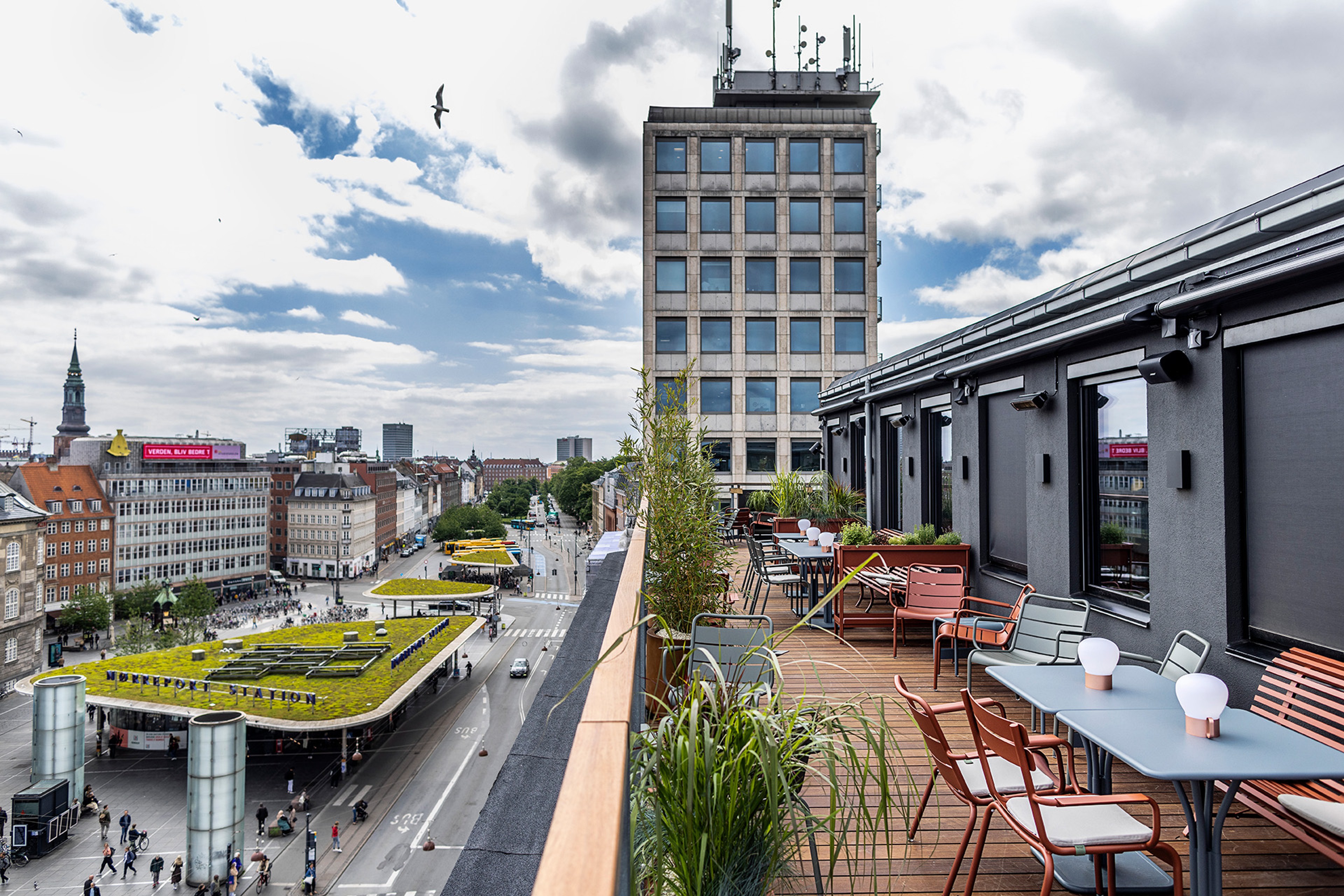
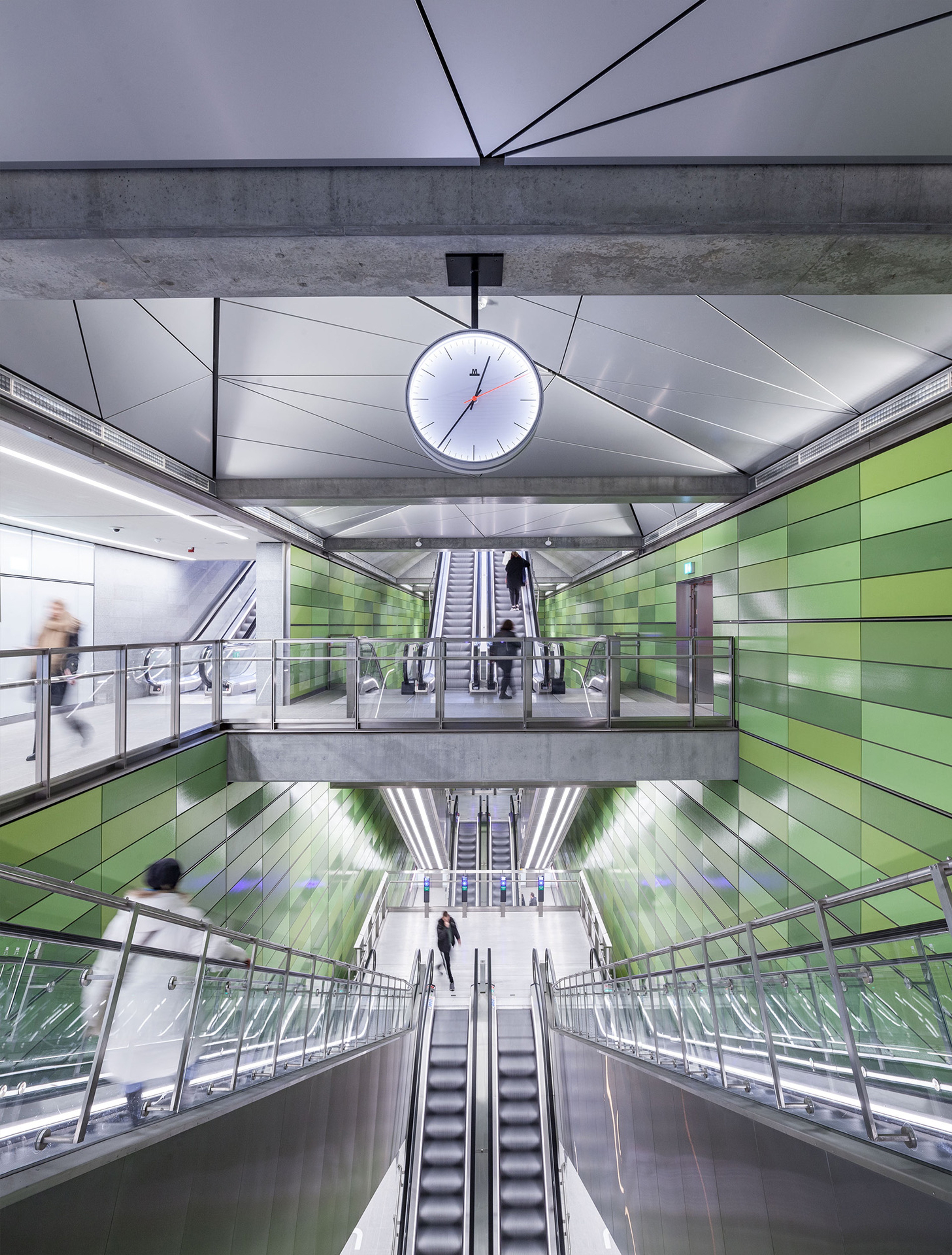
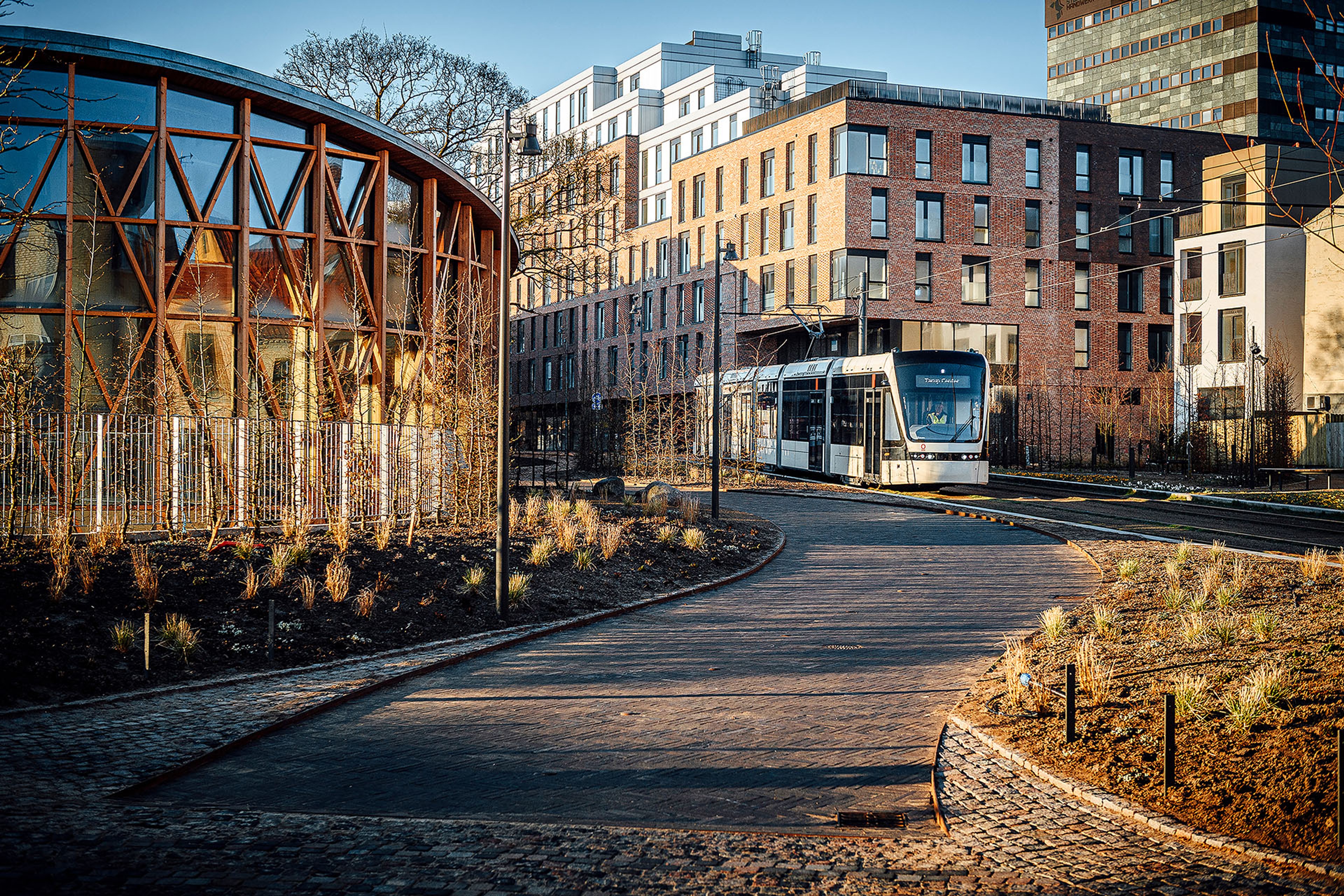
On the Copenhagen Metro, PLH has developed the project design for at stations on the City Circle Line (Cityringen), with a strong focus on passenger flow and experience, as well as designing the elevated metro stations in Ørestad, which are designed to feel safe to use. At Copenhagen Airport, PLH was responsible for the conversion and modernization of the check-in area and passenger facilities in Terminal 2, and in Odense, PLH designed the light rail that has supported the regeneration of the city.
Good design gets looked after
The experience is not only a matter of wellbeing. It also has a practical side.
“When things are well designed, people take better care of them,” says Christian Henriksen.
In other words, a facility that people embrace is not just more valued. It is also treated better, year after year.
Waiting time is untapped potential
According to PLH, there is still much to gain. Today, waiting time is mostly lost time, but it does not have to be.
“Why isn’t the time spent waiting for the bus used for experiences?” asks Christian Henriksen.
Søren Mølbak also sees a business opportunity: “There is huge potential in giving people good experiences. Where there is flow, there can be business, for example in combination with retail. This could be done much better.”
For PLH, the goal is therefore infrastructure that puts people first. That applies both to the passengers who need to catch their train and to the city that needs to embrace the facility.
Have a look at
Snapshots from some of our infrastruktur projects


Related projects
Keep exploring
Copenhagen, Copenhagen
Open and transparent metro stations
Metro Stations Ørestad
Denmark & the Baltic
Infrastructure that puts people first
Infrastructure