Insight
Hotel boom in Copenhagen
Copenhagen's hotel market is booming. Sites are scarce, demand is high, and guests want more than a bed and a breakfast buffet. At PLH, we see how architecture can create hotels that are both good business and an asset to the city.
Demand for hotel stays in Copenhagen is at a record high. Room rates are rising, as are hotel property prices, and it has become difficult to find space for new hotels. The development is driven in part by the city's popularity and by Copenhagen Airport's growing role as a new hub for Scandinavian connections.
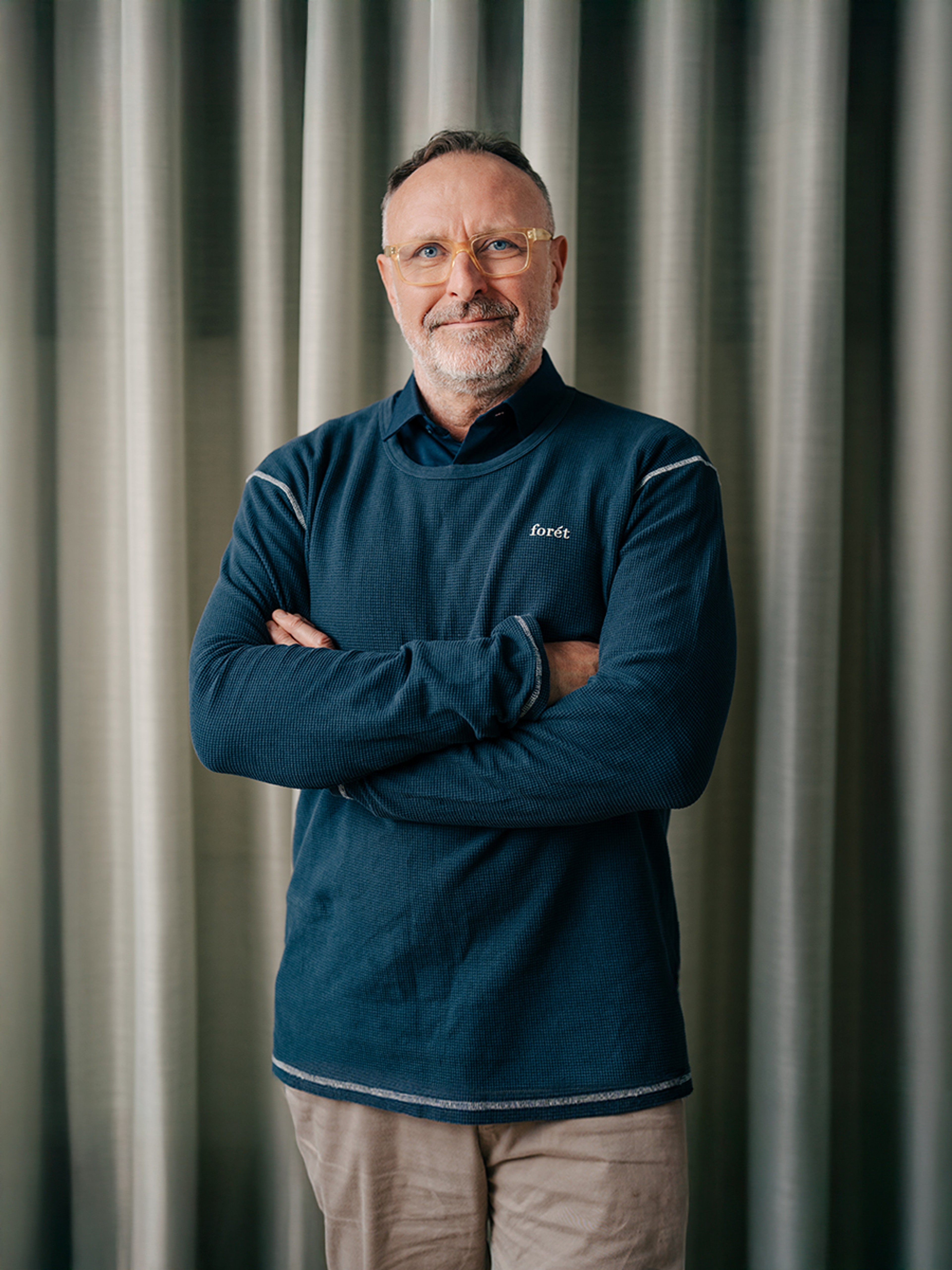
"Today, there simply aren't enough sites for hotels," says Lars Toksvig from PLH.
At the same time, Danish holiday habits have changed. Staycations in one's own city are popular, and when Southern Europe gets too hot in the summer, more people stay at home. Statistics Denmark has just recorded the highest number of tourist overnight stays ever in a first half-year. At PLH, we currently have 3-4 potential hotel projects underway.
A city you want to live in for a while
Copenhagen has become a fashionable destination that is often praised as Copenhagen Cool and example of Scandi Style. The city is safe, has a pleasant scale and offers everything from a royal palace and harbor baths to a strong food scene. That matters, because according to JLL (2025), 60% of travelers choose hotels with an affiliated quality restaurant. The climate also plays a part, as more travelers head north in what has become known as a coolcation.
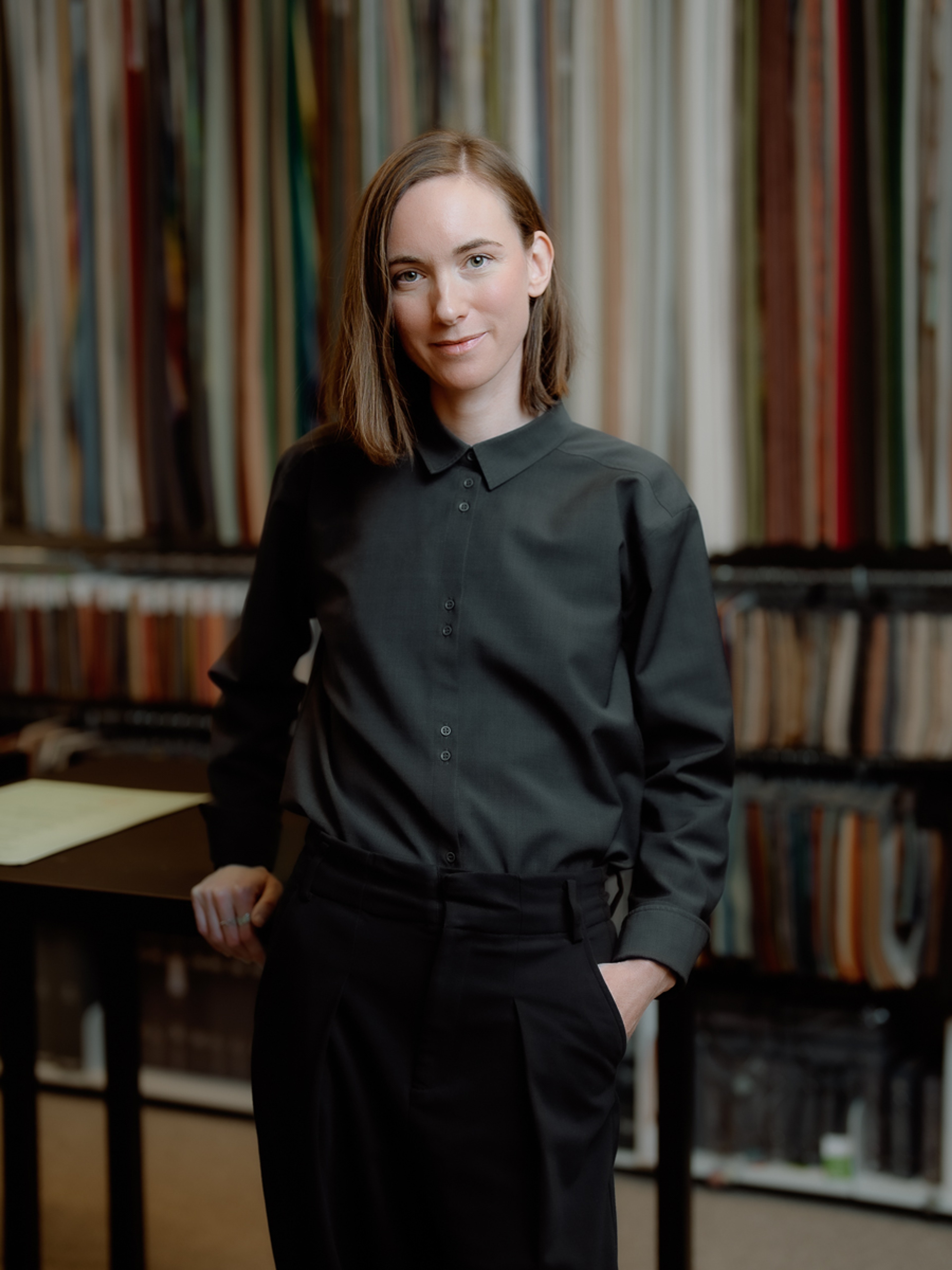
Ida Kleve, Architect, PLHTourists want authentic and honest experiences that reflect how people live in the city they visit. That is why Copenhagen's city hotels should tap into the urban context and the way Copenhageners live.
A hotel is a machine
For the architect, hotel projects require a commercial mindset. The developer is rarely the operator, so a good hotel depends on close dialogue between developer, operator and architect, and on a solid business case.
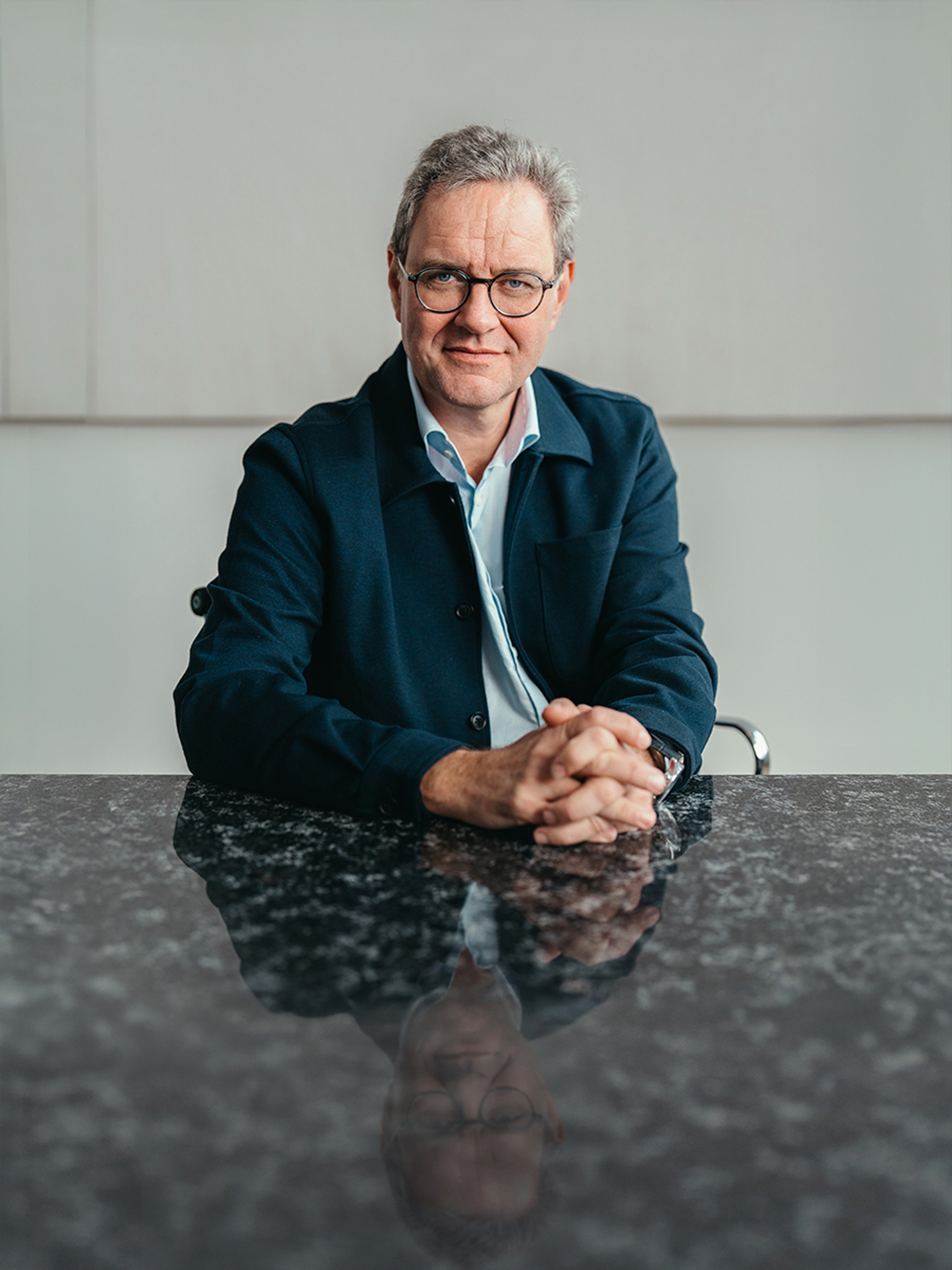
"A hotel is a machine. The back-end must work, from housekeeping and the commercial kitchen to logistics and the number of lift stops," says Søren Mølbak from PLH.
PLH often develops the initial concepts, which we present to different operators together with the developer. The architect's role is holistic: the working drawings bring together all objectives across disciplines, from the overall concept to fire safety and acoustics, technical systems and flexible spaces that can suit different stakeholders.
The hotel as part of the city
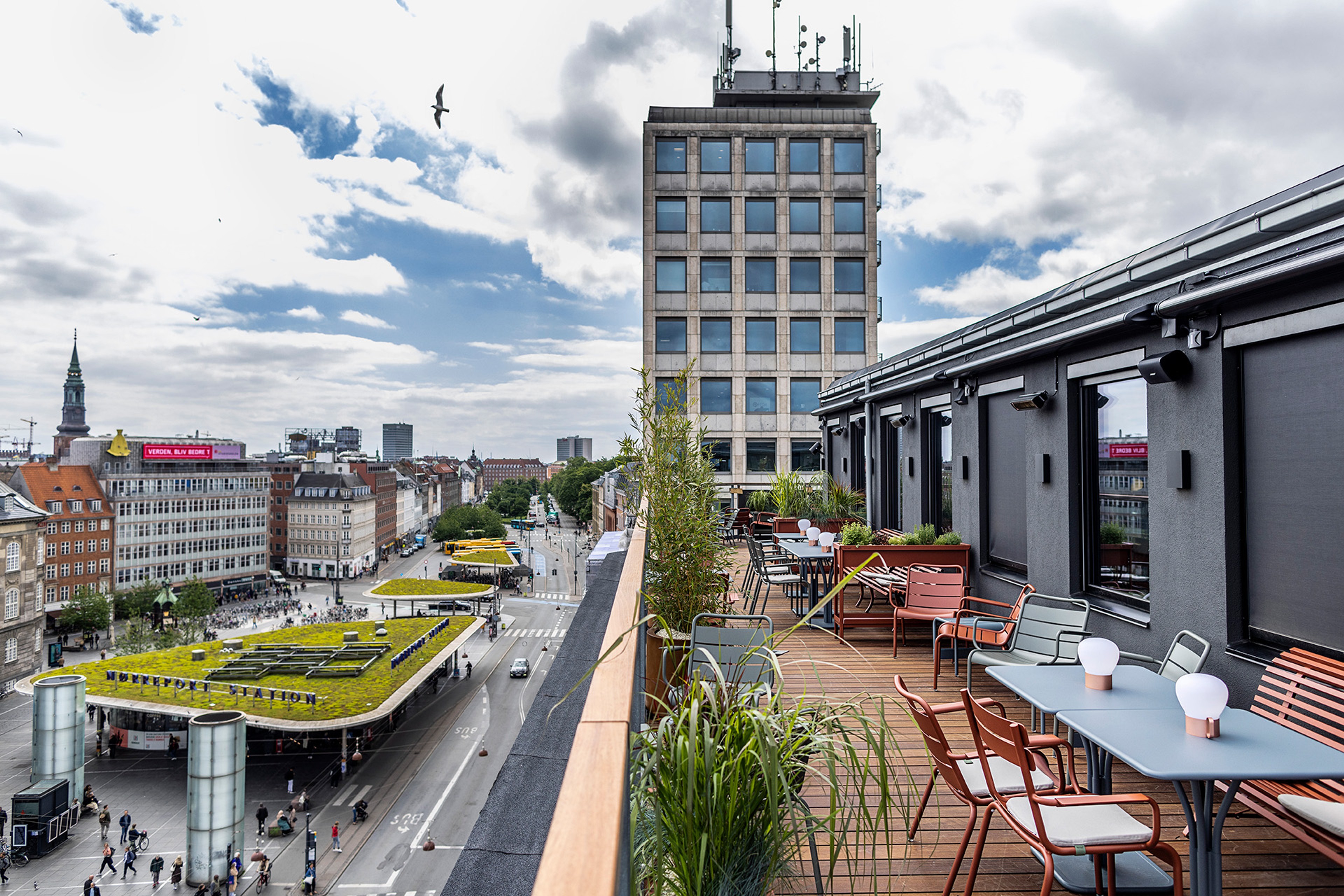
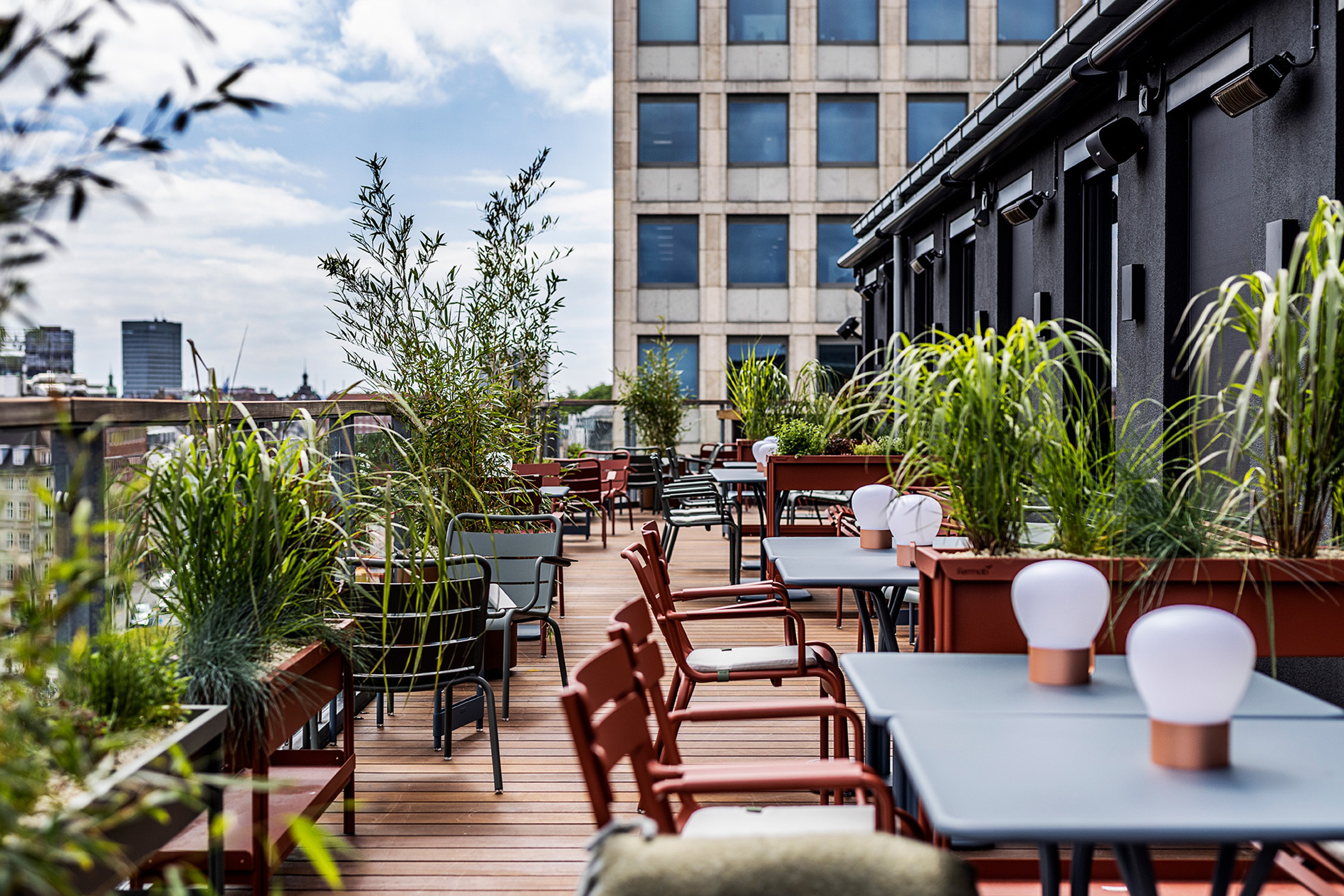
The hotel is a destination in its own right, but it also has to work with the rest of the city. It can share facilities such as conference spaces, catering, fitness and parking with surrounding offices, and it can open up to local residents with sky bars and restaurants. When the city is invited in, it creates new experiences and more business.
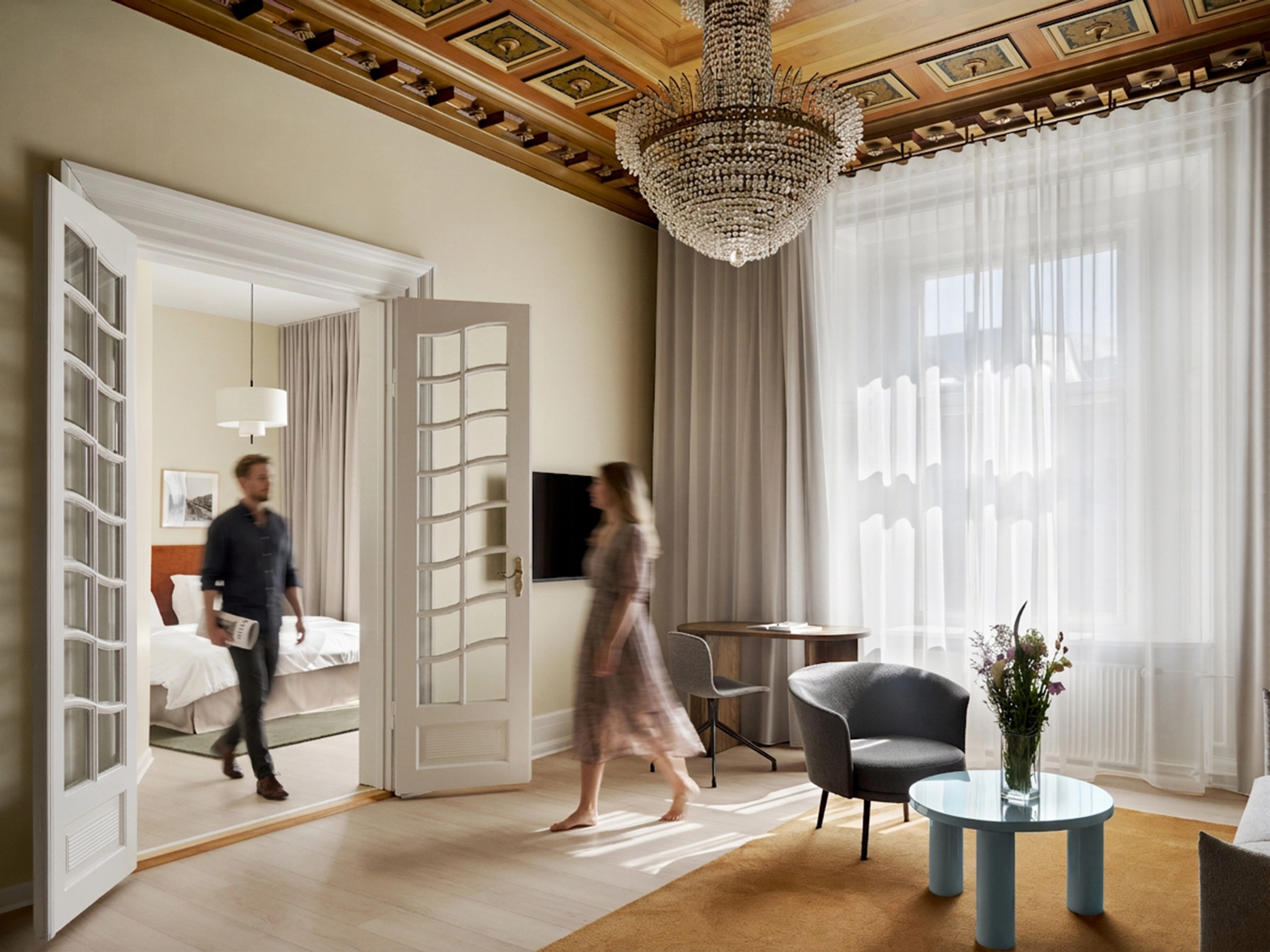
Because there are few sites available for new construction, transforming existing buildings is becoming increasingly important. An old post office or an empty office building can take on a whole new meaning as a hotel.
"Hotels have great potential to lift urban environments. We can preserve buildings and give them new life," says Søren Mølbak.
Related projects
Keep exploring
Copenhagen, Denmark
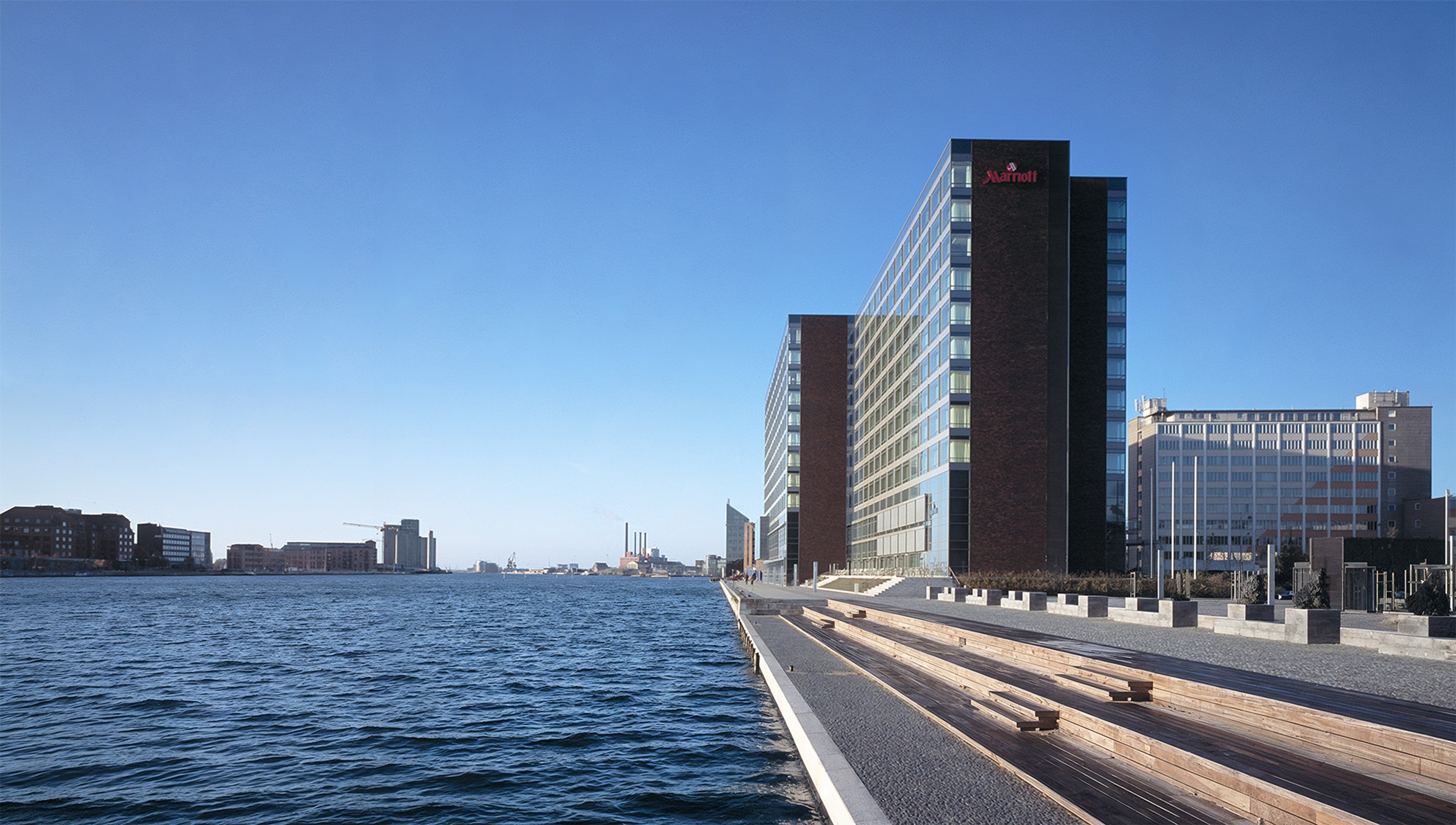
Luxury landmark for business and pleasure
Marriott Hotel
Copenhagen, Denmark
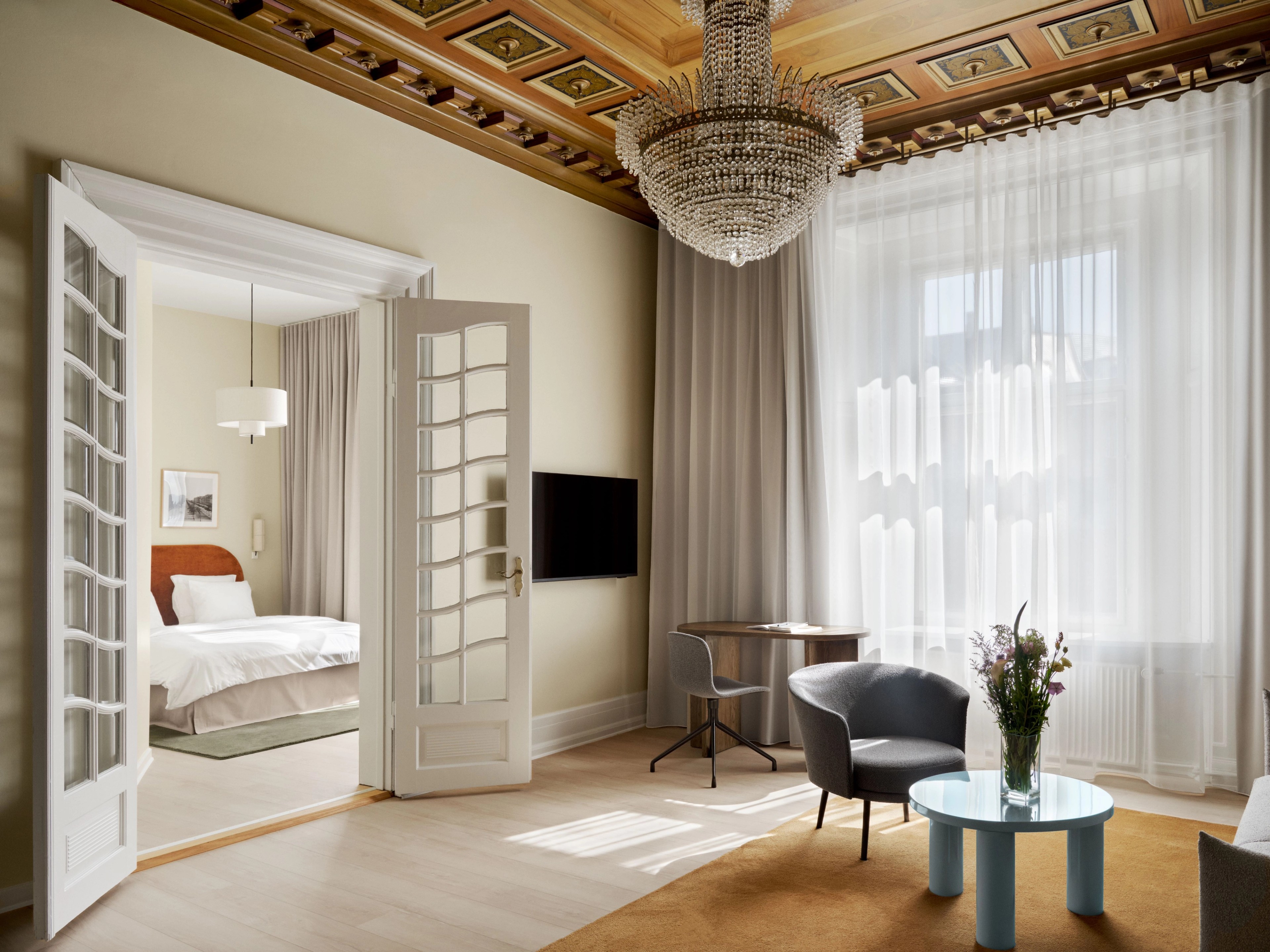
Where historic charm meets modern comfort
Venders Copenhagen Hotel Apartments
Copenhagen, Denmark
Historic transformation in the heart of Copenhagen
Scandic Nørreport