Insight
25 years of timeless hotel architecture
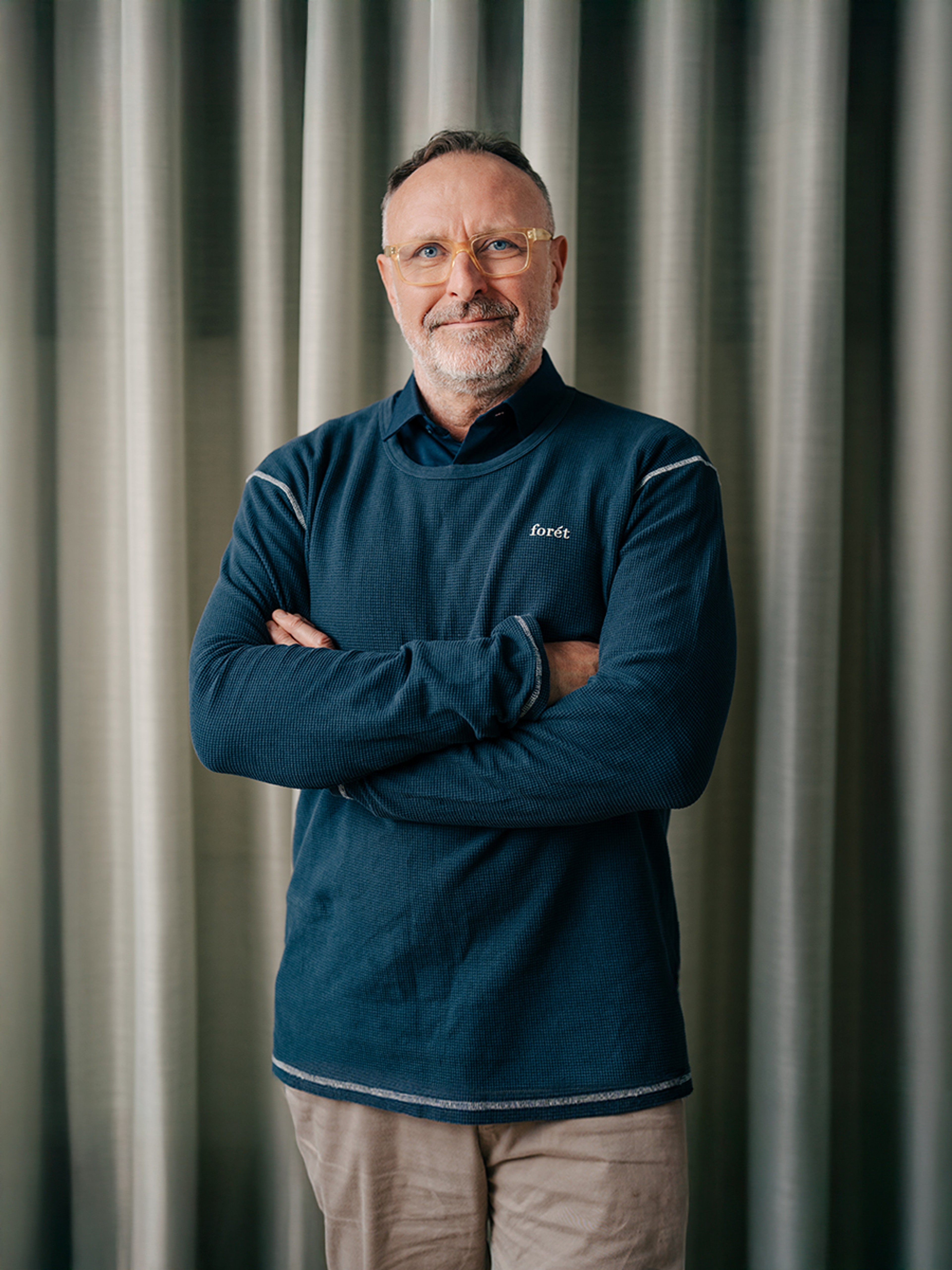
Copenhagen Marriott Hotel is turning 25, so we asked our Partner, Lars Toksvig, who was one of the architects behind the hotel, to look back and reflect.
What did the area look like back then?
Kalvebod Brygge was completely deserted. The industrial harbor activities had ceased, and the city had turned its back on the harbor, unlike how we know it today. Nykredit's headquarters and Copenhagen Marriott helped kickstart the area as some of the first projects. The sale of the harbor plots was initiated to raise start-up capital for the Copenhagen Metro.
What do you think as an architect about the development of Kalvebod Brygge?
I think the whole quay bears the mark of a rushed urban development, launched to quickly raise capital for what was then a poor city – and it's a shame, when you know Copenhagen today, that more wasn't invested in the architecture and the surrounding urban spaces, places to linger, and the human scale.
Fortunately, lessons have been learned on other major masterplans in the city, but Kalvebod Brygge has also seen attempts at improvement, for example through the harbor baths and sauna projects.
How did the project come about?
Believe it or not, it was difficult to get any operator to build in Copenhagen at all back then. But Marriott finally committed and decided to build a large conference hotel with many rooms. Copenhagen Marriott was groundbreaking – the first major hotel to be built in Copenhagen in decades. PLH was hired as architects and is behind the hotel building, while Marriott itself handled the interior design.
What was your vision behind it?
The ambition was to design a large, new conference hotel that would be timeless, with clear references to Nordic architecture.
We focused on well-chosen, high-quality materials and a strong façade composition. Even though the hotel is large and tall, its volume is broken down in scale into three staggered, slender blocks in an elegant, disciplined architectural style. It's designed with timeless materials and details that fit into its context along the waterfront. At the same time, there was a strong focus on planting trees and greenery around the hotel, creating a good urban space.
What was it like designing Copenhagen Marriott?
It was exciting to be the architects behind the Copenhagen version of a global hotel brand. Fortunately, Marriott agreed to build the hotel's exterior according to Nordic, modernist design – and it worked out well. It was, and still is, the largest five-star hotel in central Copenhagen.
What was your role on the project?
I was one of the architects who worked specifically on the tight, disciplined exterior expression, the proportioning of the façade, and the overall layout, with a focus on breaking down the scale. We focused on the detailing, color choices, proportioning, and choice of brick.
What's it like seeing the hotel today?
It still makes me happy when I drive past it today. It's still contemporary architecture, because we chose good materials and a good layout that allow it to stand the test of time.
How has the Copenhagen hotel market developed since then?
The discussion has now completely reversed – where hotels weren't being built before, restrictions are now being placed on how many hotels can be built in Copenhagen. Building a hotel that large in central Copenhagen probably wouldn't be feasible today – hotels are being pushed further out into the districts instead.
What matters when PLH designs hotels?
We have several hotel projects underway, and we clearly see a trend where hotels need to interact with the surrounding city and other functions. For example, we're the architects behind the renovated Comwell Hotel above Lyngby Storcenter, which is a good example of a hotel that integrates with shopping experience and has open functions that passersby can use.
I believe hotels, but also other commercial buildings, need to be much more dynamic today and offer functions that open up toward the whole city – which is clearly different from how it was perceived 25 years ago.
Related projects
Keep exploring
Copenhagen, Denmark
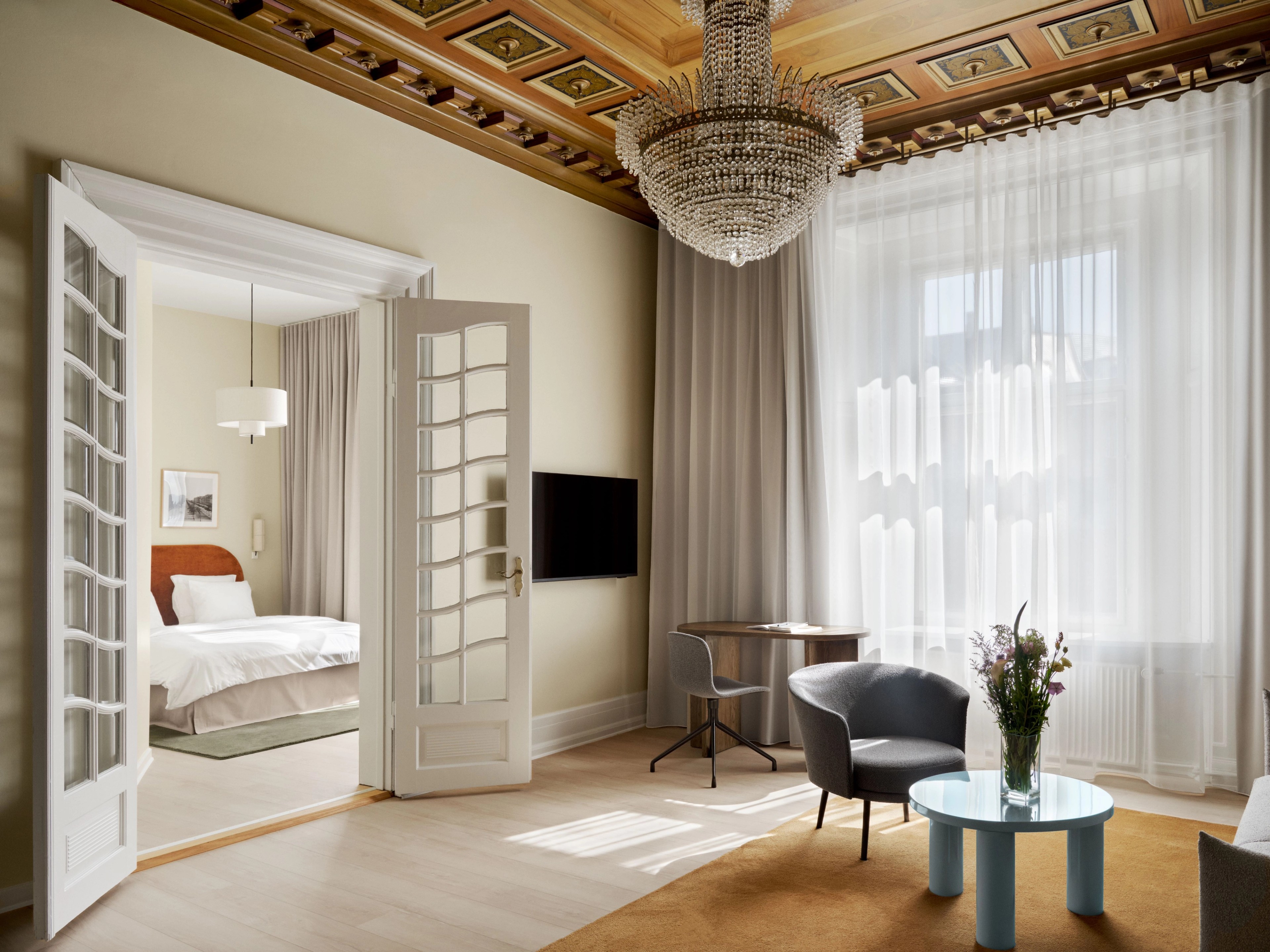
Where historic charm meets modern comfort
Venders Copenhagen Hotel Apartments
Copenhagen, Denmark
Historic transformation in the heart of Copenhagen
Scandic Nørreport
Reach out