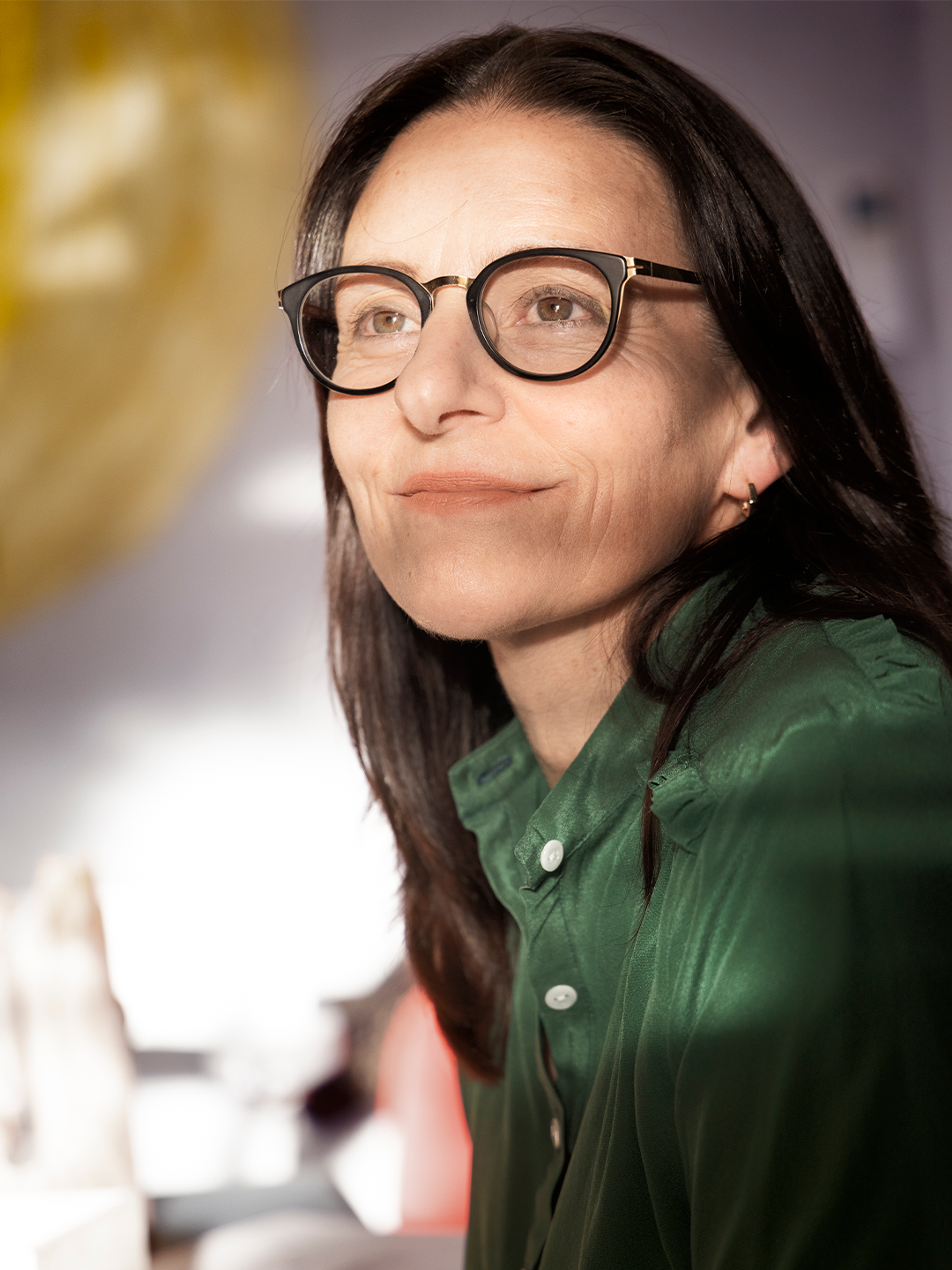
PLH People
“When the architect speaks the engineers’ language, you get the best project”
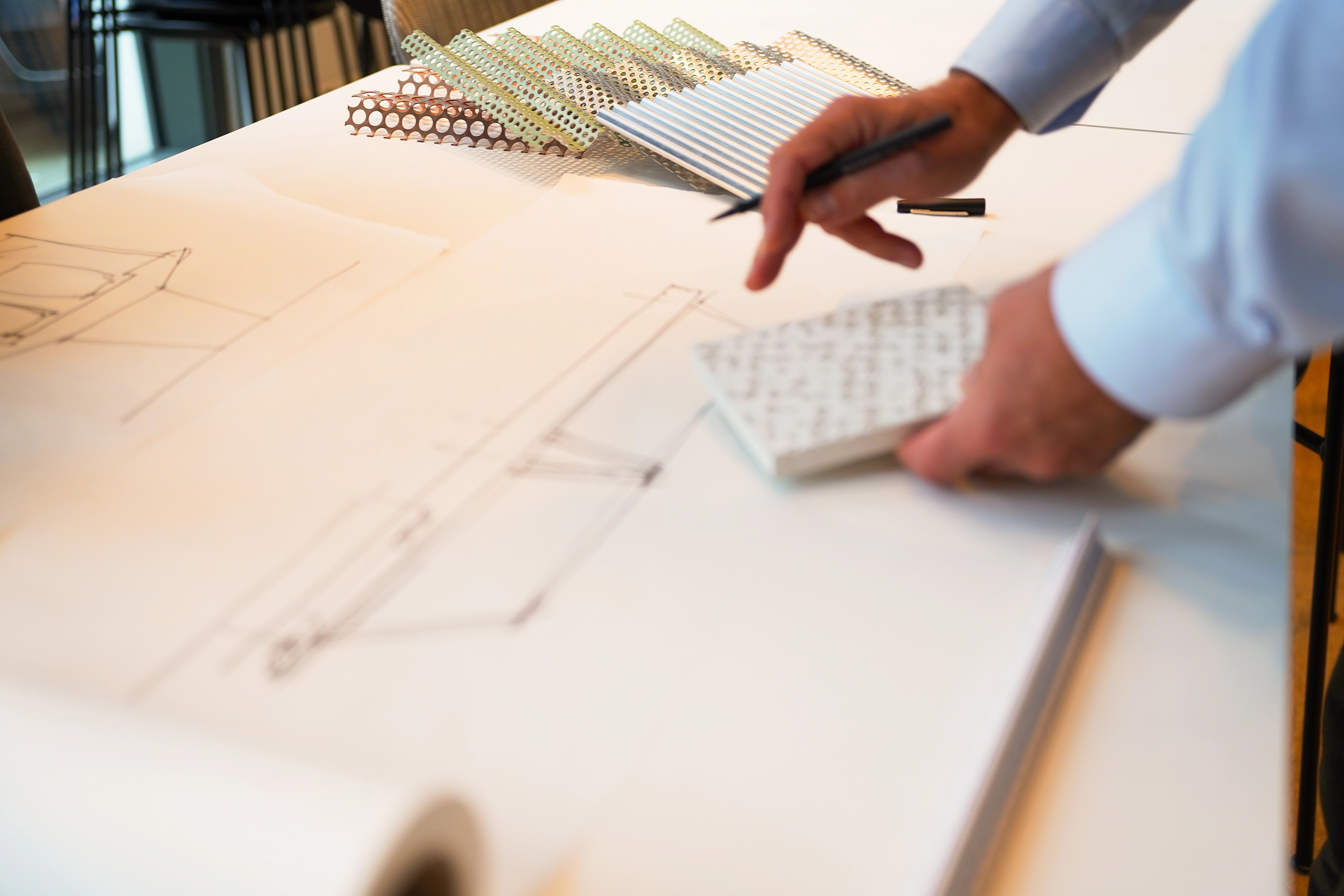
Infrastructure is one of the most engineering-heavy fields an architect can work in. So, what does the architect contribute? We asked Søren Mølbak, CEO and Partner, and Christian Henriksen, Architectural Technologist and Head of Business Development, about the interplay between aesthetics, user experience and engineering.
Infrastructure has always been part of PLH. What makes you specialists?
Søren: My first project as an architect was a metro station, and since then I have worked on everything from motorways and metro to light rail, bus terminals and the railway to Fehmarn. We have won much of it in competitions, for example Riga Central Station. In many ways, infrastructure has shaped my career.
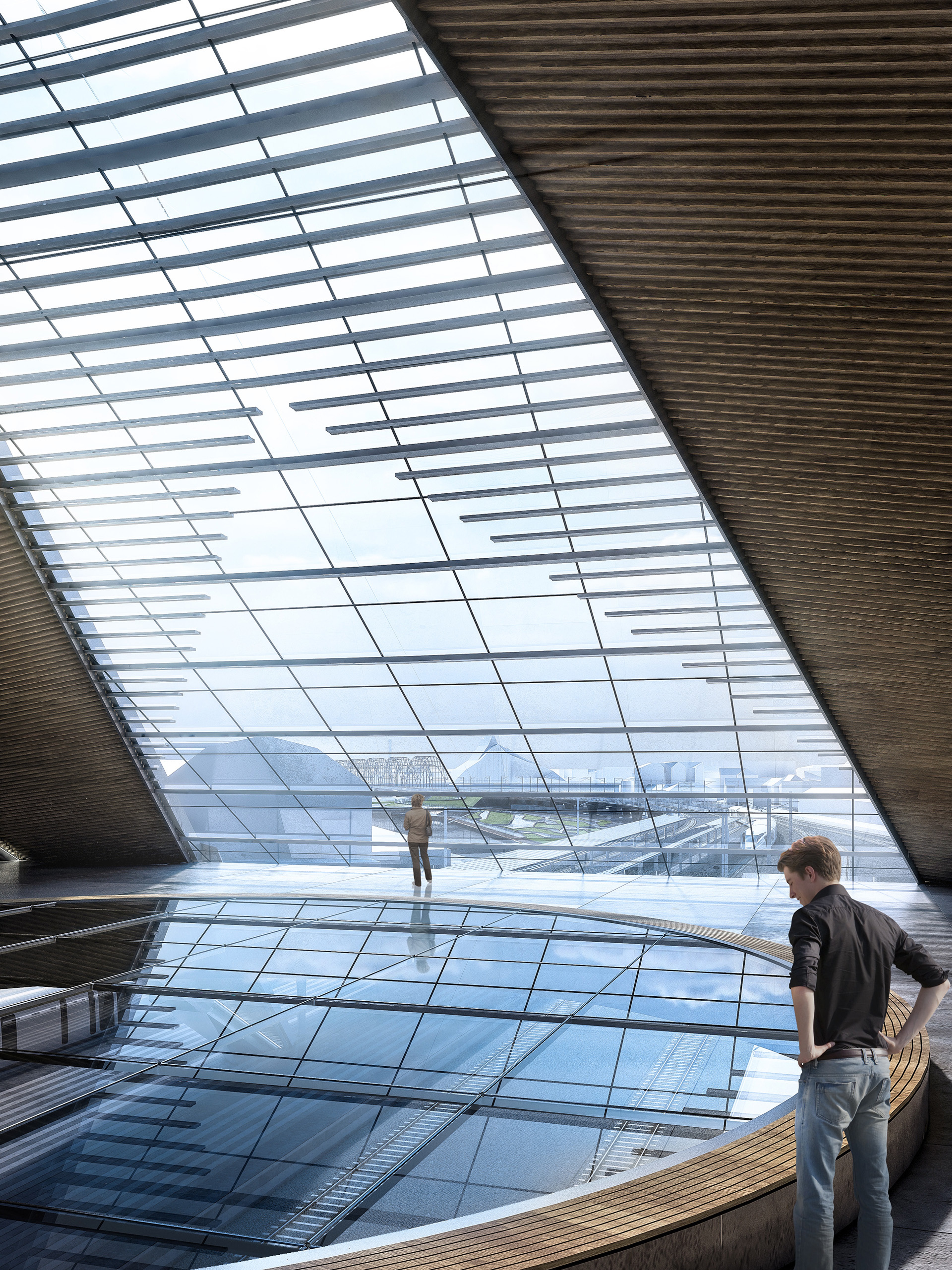
Christian: I have worked with infrastructure at PLH for 20 years, from airport projects and maintenance depots to metro and rail, most recently Riga Central Station, which is currently under construction. It is a niche market that requires specialist knowledge. You need to know the scope and the stakeholders well.
If you had to explain to a layperson what the architect contributes, what would you say?
Søren: We create a language through design. We look at logistics, flow and the experience of the people who use the facility.
Christian: The infrastructure network is like a network of blood vessels. It has a pulse and finely branching veins, and it has to accommodate the machinery that keeps the pulse going. Our job is to make it a place where people can and want to be.
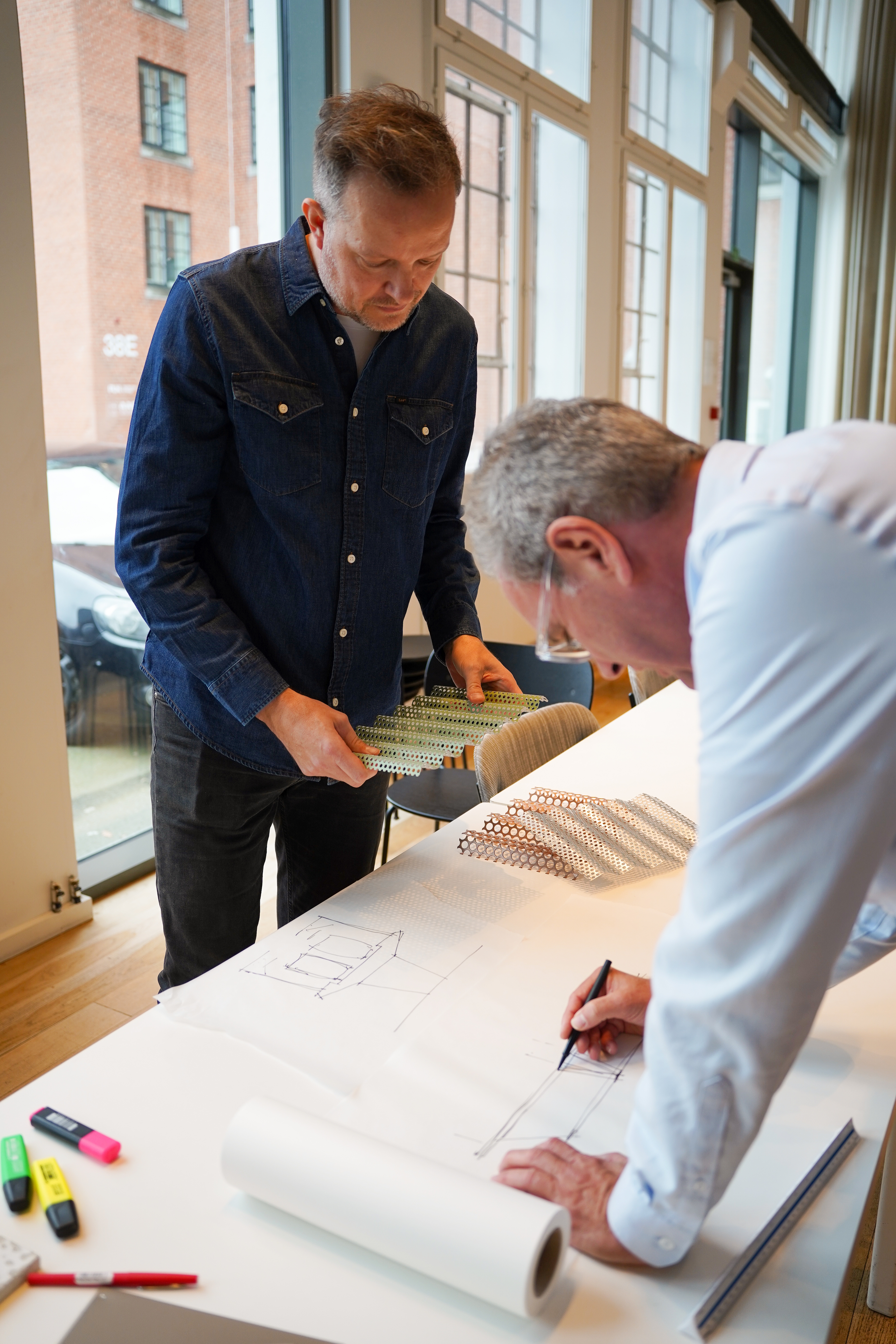
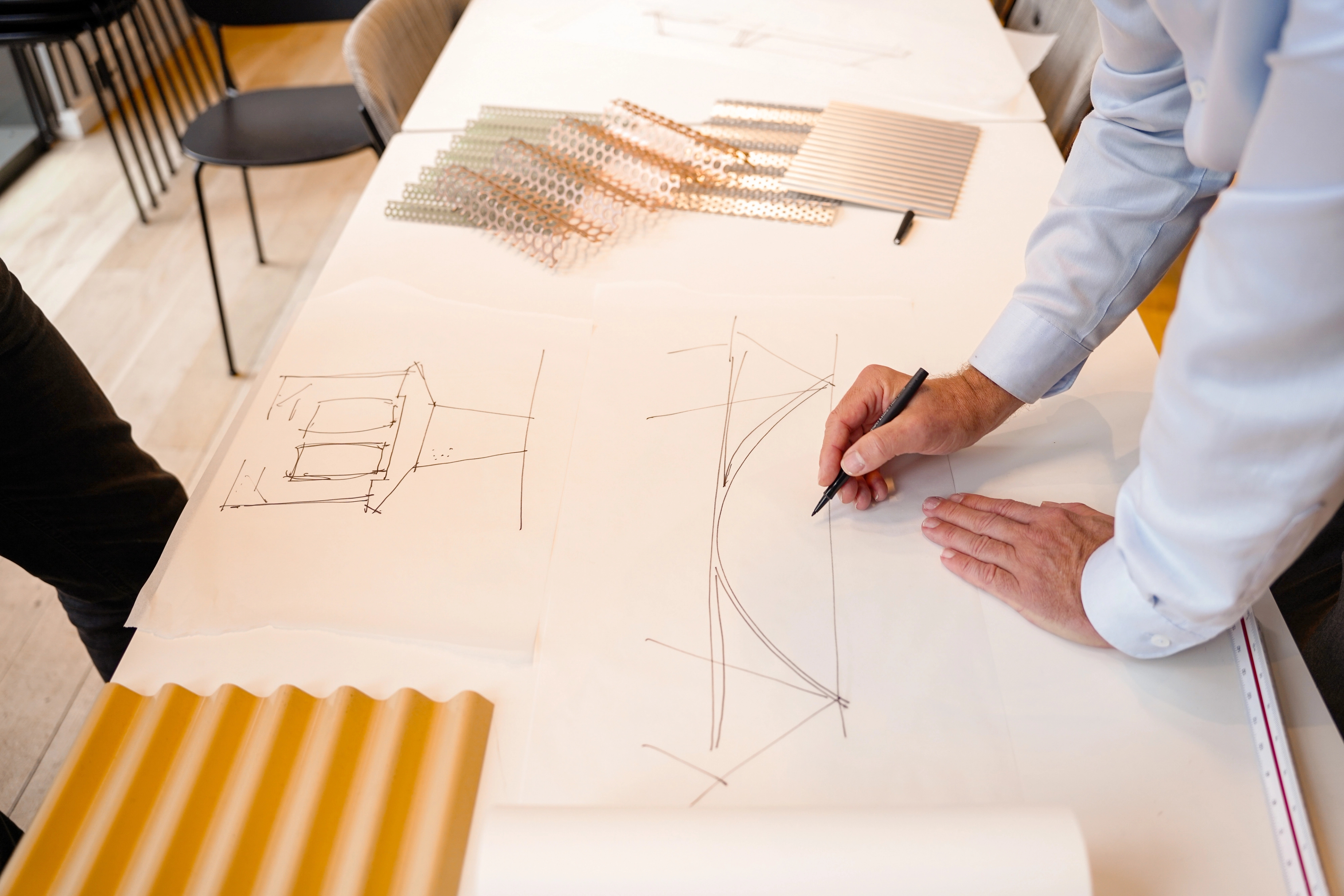
How do you work with the engineers?
Christian: We understand complex technology. We know how concrete moves, what maintenance requires, and how traction power works, for example. That means we can talk to the engineers and find the best solutions to challenges together.
Søren: When you as a designer understand the engineers’ language, you get the best project. Operations, functionality and logistics must come together as a whole. Architects are good at pulling the threads together, breaking down the technical aspects and ensuring a common thread throughout.
Can you give an example of a specific challenge?
Søren: We worked on the early phases of Frederik IX’s Bridge, a bascule bridge carrying overhead power lines. It required ingenuity and was not something you solved in a single meeting. We had many interesting discussions with the engineers about possible solutions, including whether it should be a bascule bridge or a swing bridge at all.
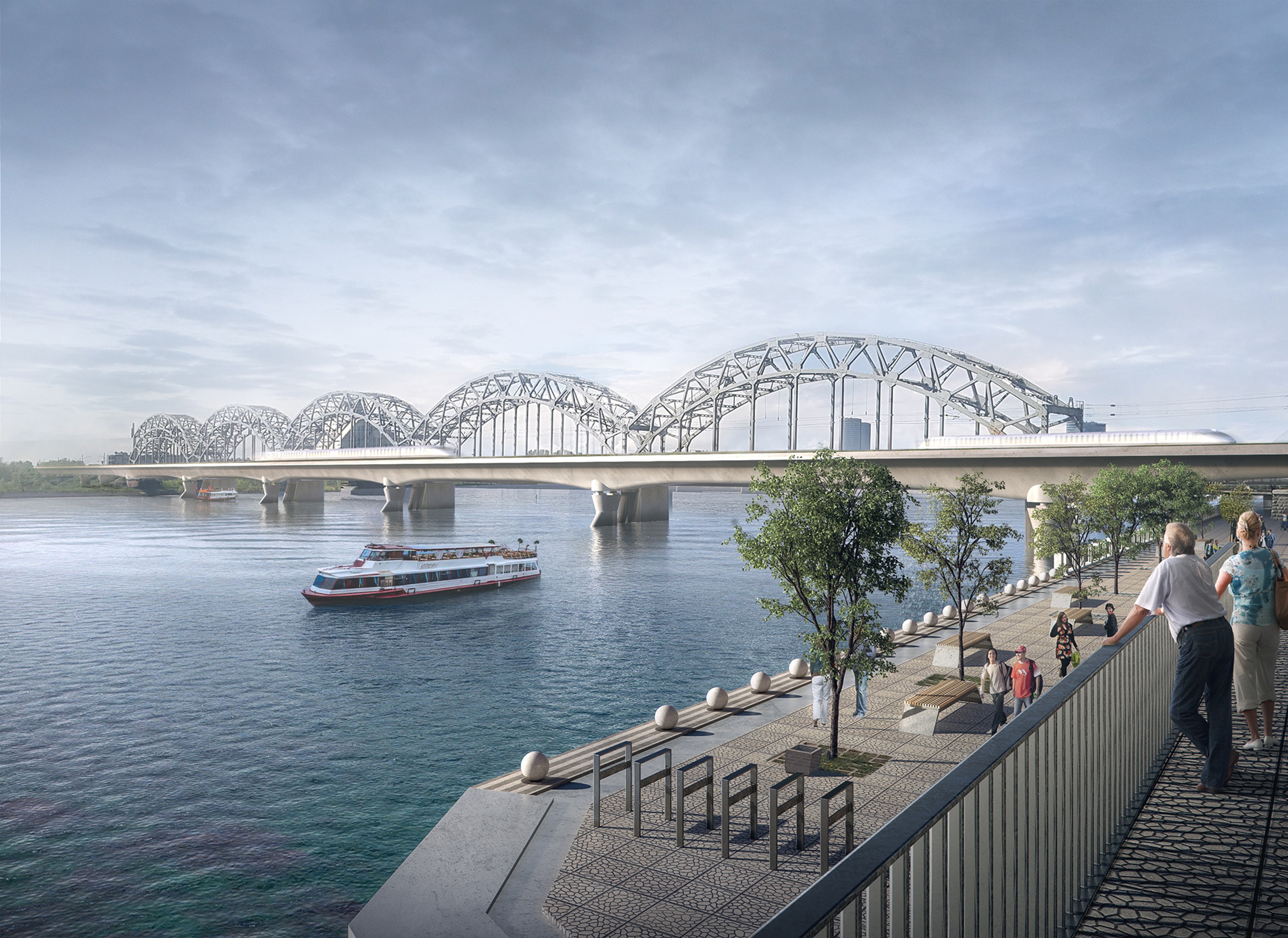
Søren: Another example is Riga Central Station. Here, a new bridge over the river must not disturb an existing, iconic bridge. It almost had to disappear. At the same time, ice on the river can be a challenge. So, we designed the columns asymmetrically, so they act as a kind of icebreaker. This led to structural savings and made the bridge appear lighter.
What about the people who work in the facilities?
Christian: They are just as important. In maintenance depots for trains and metro, we need to understand how the trains come in and how they are taken apart. When we understand the processes, the sequence and the workflow for the staff, we can ensure the most appropriate solution.
Does design make a difference even for the smallest elements?
Søren: Yes. Who thinks about what a crash barrier looks like? But if care is put into it, it makes a difference. For the Swedish Road Administration (now the Swedish Transport Administration), we developed designs for crash barriers, signs and lamp posts, and they are still in use today. A bridge is design taken to the extreme, a bit like graphic design. The devil is in the detail.
Where does the architect make the biggest difference?
Søren: We point to what creates value beyond function: the third dimension. It is the aesthetics that allow people to accept a facility and embrace it. Take noise barriers along motorways. Today, the focus is often on function alone, which makes the experience an afterthought. We have a responsibility to ensure the design can be accepted in the landscape. That is why it is a problem when architects are squeezed out of projects.
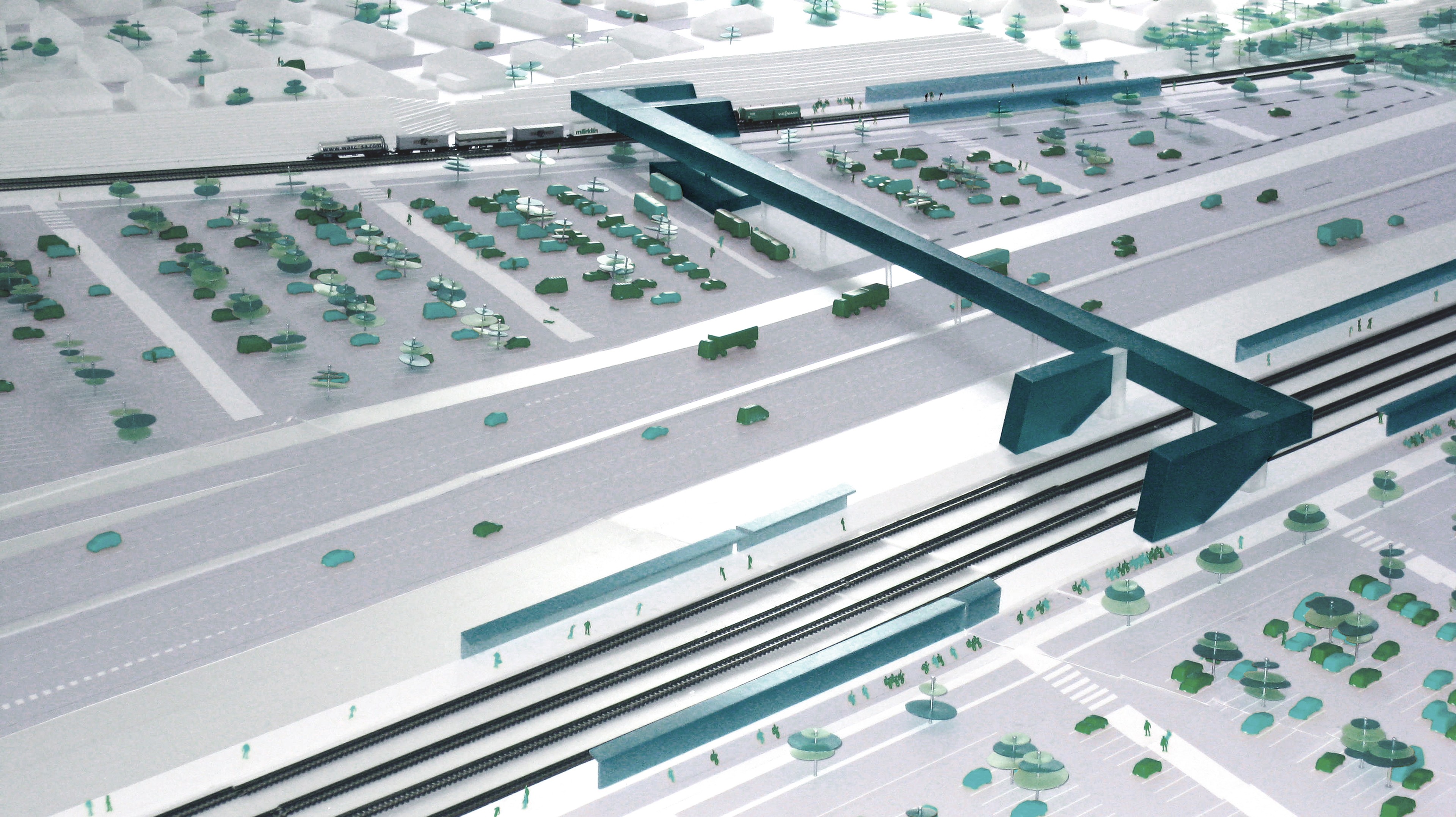
Christian: We need to be able to show how the project fits into its context. Køge Nord Station is a good example, where we worked with many locations and concepts in the early phases. It is conceived as an iconic gateway to Greater Copenhagen.
What should clients know about involving the architect early?
Søren: A holistic approach requires thinking from the outset. We are good at understanding the various technical disciplines, bringing them together and challenging them at the same time. We understand all the stakeholders and interests. We can contribute to the narrative that makes an infrastructure project a success in the eyes of the public.
Christian Henriksen, Architectural Technologist & Head of Business Development, PLHWe understand complex technology. We know how concrete moves, what maintenance requires, and how traction power works, for example. That means we can talk to the engineers and find the best solutions to challenges together.
Have a look at
Snapshots from some of our infrastructure projects