Insight
Tomorrow’s office in transformation
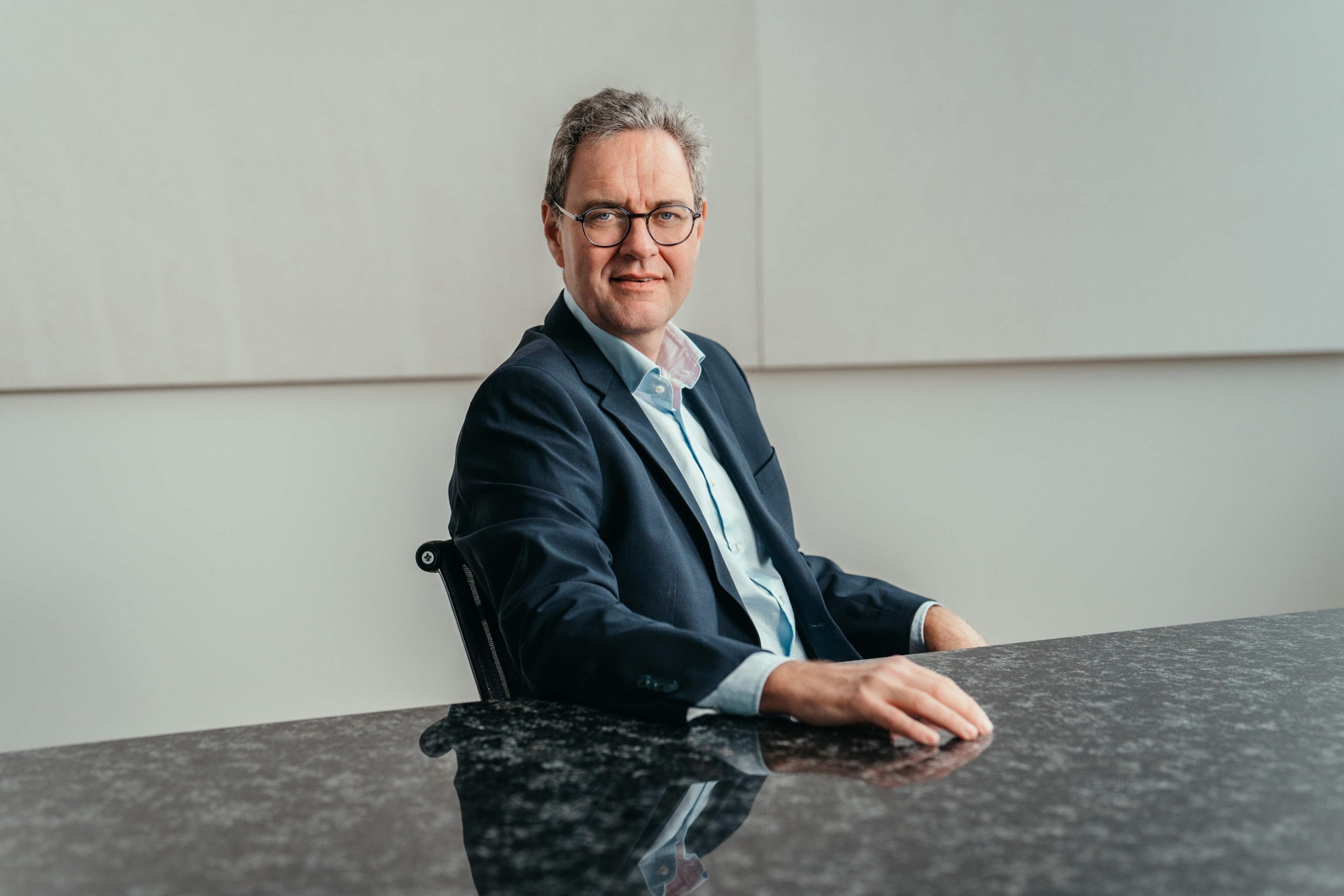
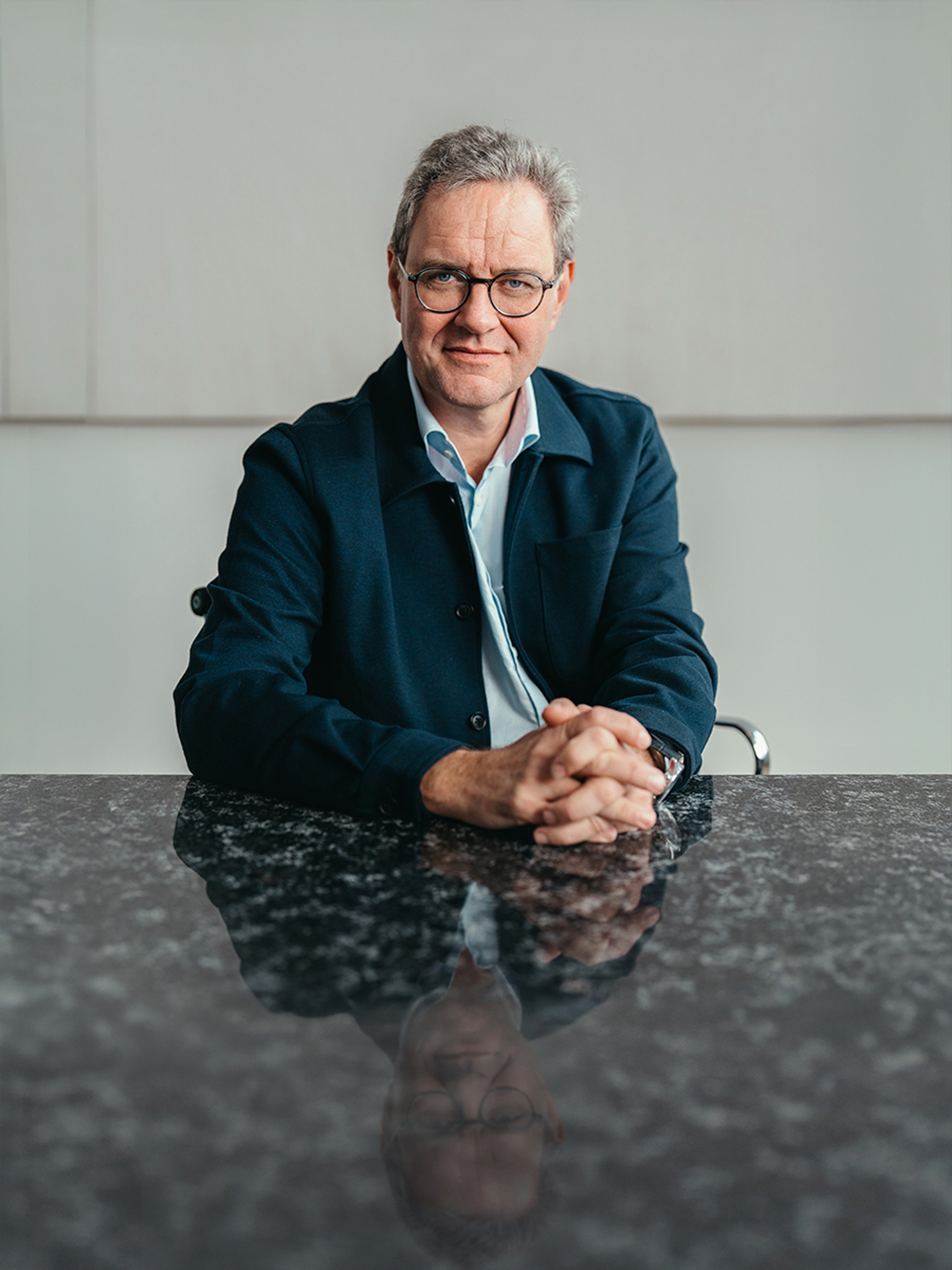
The office landscape is undergoing change. Søren Mølbak, CEO of PLH, highlights the trends he sees shaping the office of the future.
The traditional office environment is evolving. In office construction, the major overarching theme is transformation. The potential is significant. However, the office development is about much more than transformation alone. Identity, employee wellbeing, branding, technology, and quality are some of the agendas many companies are currently working with.
Søren Mølbak, CEO, PLHAs architects and designers, we can clearly sense that it is very much a tenant’s market. Companies place higher demands on their leased spaces than before. The office is no longer simply a workplace but a strategic tool in the competition for employees and clients. It's a physical business card.
Great potential in transformation
Transformation plays a bigger role than ever in office construction. Converting existing buildings rather than demolishing them can save both materials and CO₂ emissions. At the same time, existing structures can add character and history to a company.
“Older buildings can contain many of the qualities companies are looking for today. When the old meets the new, it also creates authenticity and compelling storytelling. The building gains an identity that the company can see itself reflected in,” explains Søren Mølbak.
However, transformation is not without challenges. The true condition of a building only becomes clear once work begins. This challenges the traditional way of structuring projects. Nevertheless, the potential and value are so great that transformation has firmly established itself in office development. Transformation is important – even in newbuild.
“If it’s newbuild, it’s important from the outset to build flexibly and with high quality. Quite simply, it is a better investment – and better for the environment – if the building is designed so it can change use and be transformed in the future. This significantly extends the building’s lifespan,” says Søren Mølbak.
A shift away from the uniform office layout
Beyond transformation, Søren Mølbak also sees other trends within office development. The future office must increasingly consider the individual employee and accommodate different ways of working.
“There must be opportunities to work in different ways, example in quiet zones, lounge areas, or traditional workspaces. Not everyone thrives in the same work environment, and people may also want to change environments throughout the day. In addition, there must be space for hybrid work – not only between employees, but also in collaboration with clients,” says Søren Mølbak.
Another trend is the move toward more exclusive office environments. An exclusivity we recognize from the hotel industry, where substantial materials are used, lighting is carefully considered, and the surroundings are generally more sensory and atmospheric.
“The office shouldn’t only be functional and efficient. It should be a place where people want to be. It’s about both attracting and retaining employees, but also about signaling quality outwardly as a company,” emphasizes Søren Mølbak.
Office development is quickly evolving, and the future office will not be found in a uniform layout. It will be more varied, more flexible, more strategic – and more conscious of its own role and value.
Related projects
Keep exploring
Copenhagen, Denmark
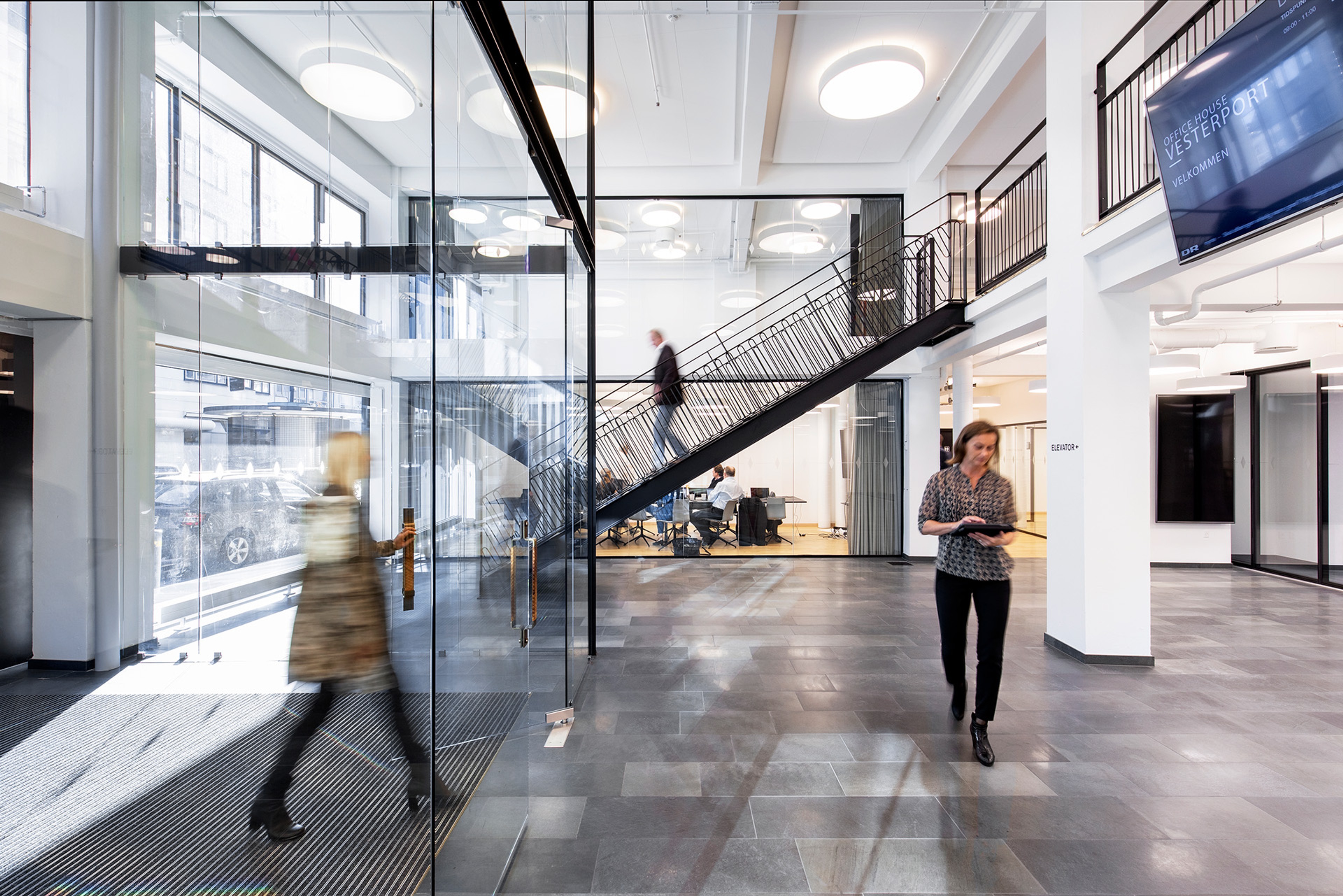
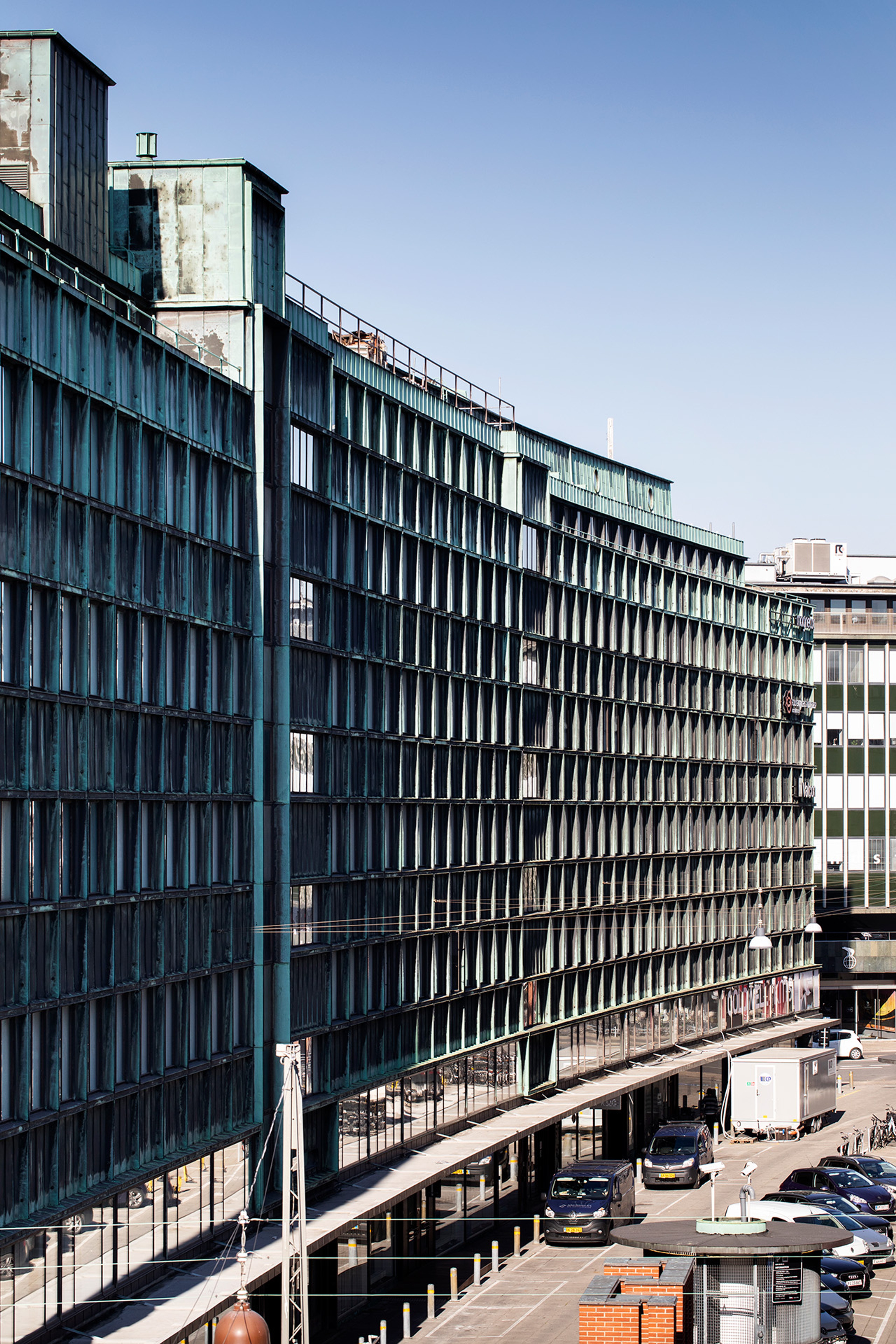
Transforming the iconic ‘Ved Vesterport’ office building
Ved Vesterport
Copenhagen, Denmark
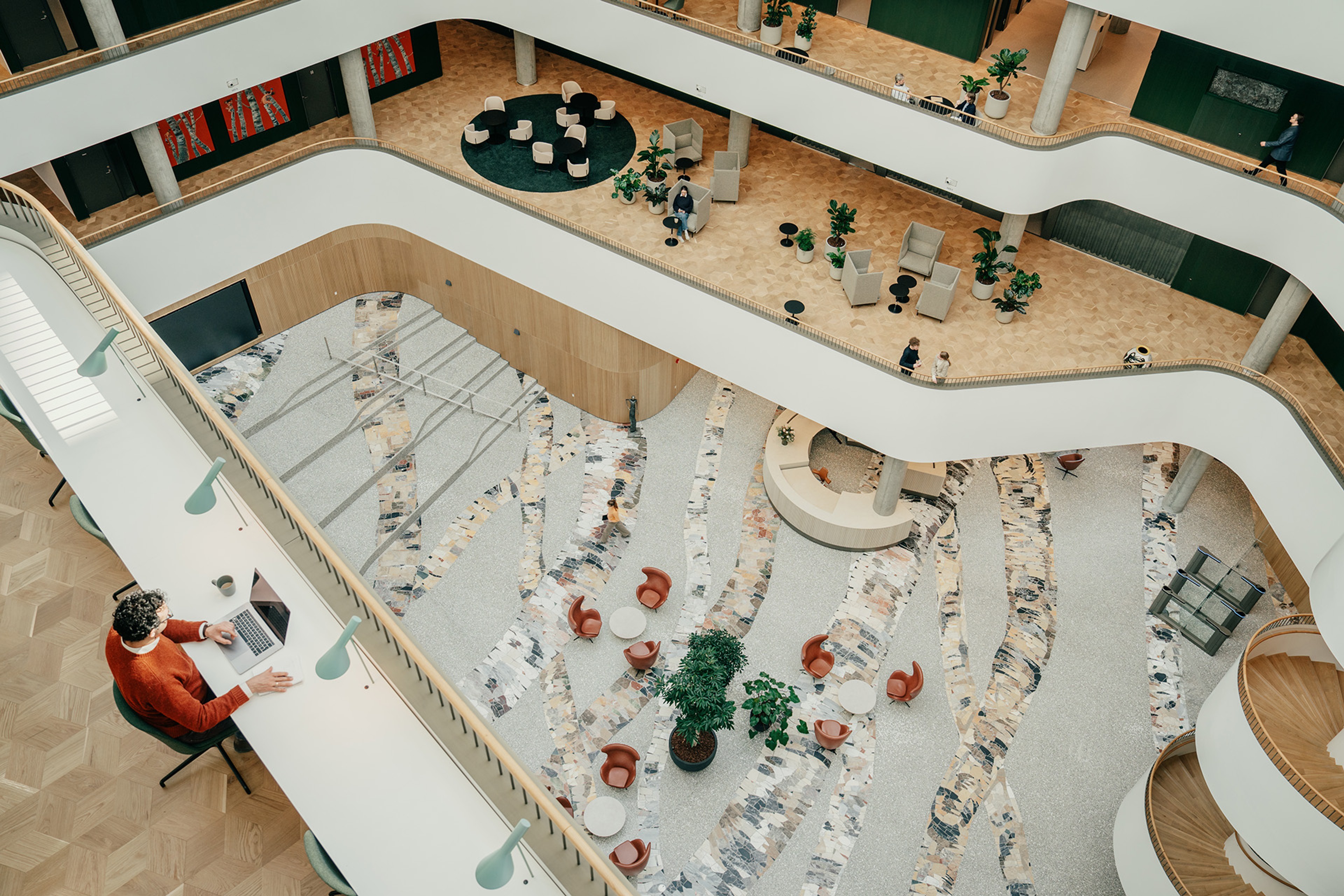
Gesamtkunstwerk as framework for pension company
AP Pension
Copenhagen, Denmark
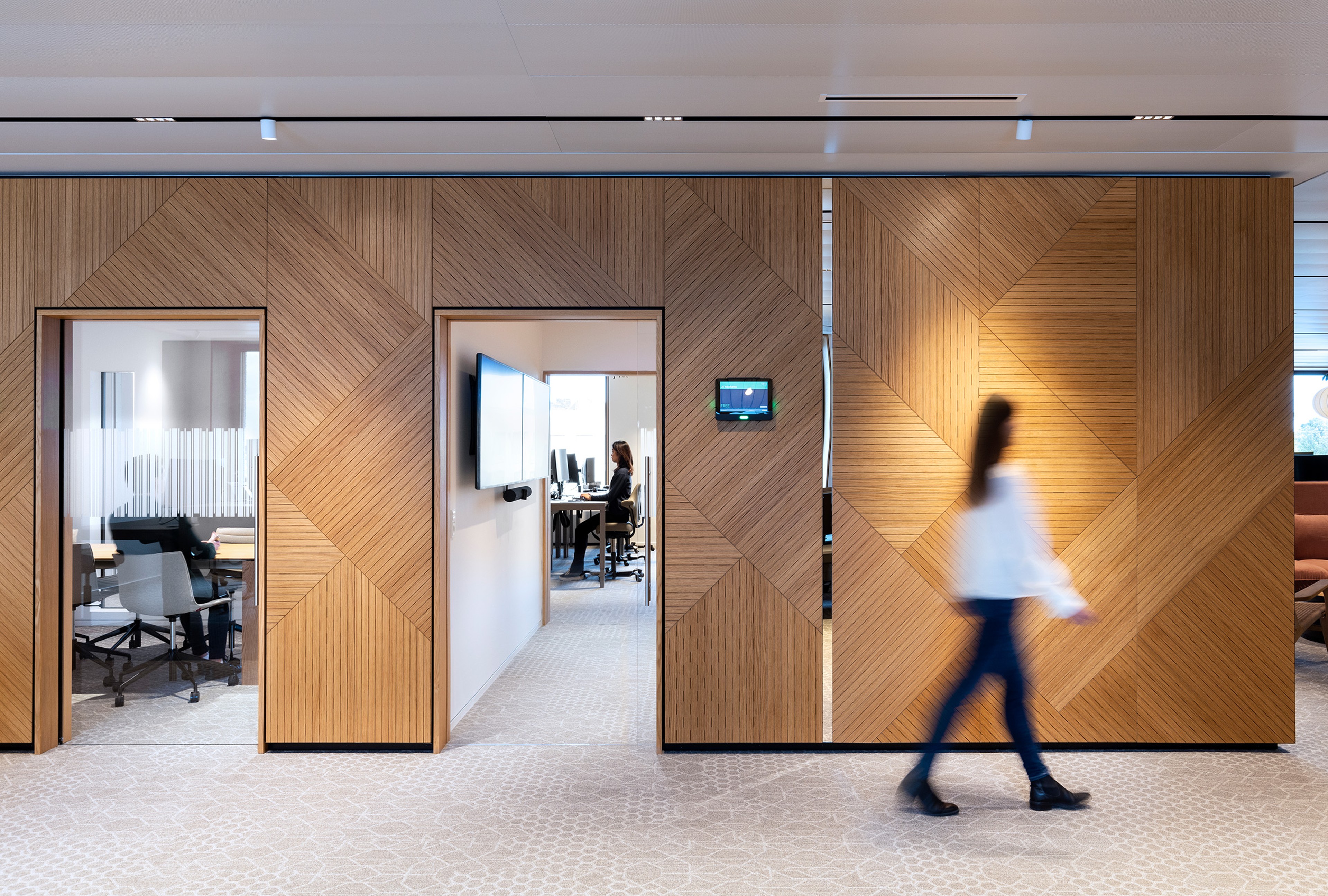
Driving cultural and cool transformation of iconic headquarters
Maersk
Reach out