Insight
The battle of the thermostat

43% of women in Danish offices say that the temperature in their workplaces works poorly or very poorly. This is shown by a survey conducted by PLH in collaboration with the research agency Norstat. The result is hardly a new problem, yet office temperatures are rarely set with women in mind – and this negatively affects employee well-being.
After recently experiencing temperatures as low as -20 degrees, many people may have felt like turning the thermostat up a notch. For many women in Danish offices, however, the thermostat is something they often feel the urge to adjust throughout all seasons of the year.
In fact, 43% of the women surveyed in Danish offices believe that the indoor climate temperature works poorly or very poorly. By comparison, this applies to only just under one in three men (32%). This is shown by a study conducted by PLH in collaboration with the research institute Norstat.
PLH’s specialists in workplace strategy and design recognize the temperature dilemma as a persistent issue in Danish offices.
“Indoor climate is always among the top three issues that managers and employees mention when we ask about workplace needs,” says Paulette Christophersen, Partner at PLH.
Peter Noyé is Director of Expertise at NIRAS, external lecturer at DTU, and an expert in indoor climate. The fact that more women than men are dissatisfied with the indoor climate is something he recognizes – both from research and from his daily work.
“Indoor climate has always been – and still is – a complex field. People’s experience of indoor climate varies widely, which means that average indoor comfort is pulled from both ends of the scale. At the same time, culture and physiology also play a significant role. This makes it complex, because this entire broad spectrum of experiences has to be accommodated under the same office roof. And to add an extra twist, contemporary design places great emphasis on daylight, but that also means temperatures rise throughout the day. In fact, they can increase by up to 3 degrees. That’s why temperatures are set slightly lower in the morning, so it doesn’t become too warm in the afternoon – for many, this can feel cool in the early hours,” says Peter Noyé.
“As architects and designers who work closely with engineers, we know that the experience of comfort is not only about heating, cooling, and ventilation, but also about materials, component quality, zoning, behavior, and culture,” says Paulette Christophersen.
To create a more inclusive indoor climate, Paulette Christophersen offers four recommendations:
- A holistic approach. Don’t limit the dialogue to temperature and drafts alone; include all parameters of a comfortable indoor climate, such as easy access to outdoor areas for fresh air or the design of specific rooms or zones with different comfort standards. A well-designed and creative space plan is key to addressing the dilemma. Most importantly, remember that it’s about both heat and cold.
- Experiment within the standards. The need to renovate and transform existing buildings presents an opportunity to rethink the rigid standards that often apply to new construction. By categorizing office functions differently – for example, into heated and unheated zones, both open and enclosed – more varied and adaptable environments can be created.
- Materials, lighting, and interior design can help create a warm and welcoming experience in spaces that tend to be cooler.
- Flexibility and culture. Work with free seating so employees can choose to sit closer to or farther away from warm or cold façades. At the same time, allow room for small personal solutions such as fans or heating pads – and create a culture that recognizes that temperature is not merely a matter of preference, but an important factor in well-being. Today, many employees also have the option of hybrid work, which can be essential on a hot summer day.
Related projects
Keep exploring
Copenhagen, Denmark
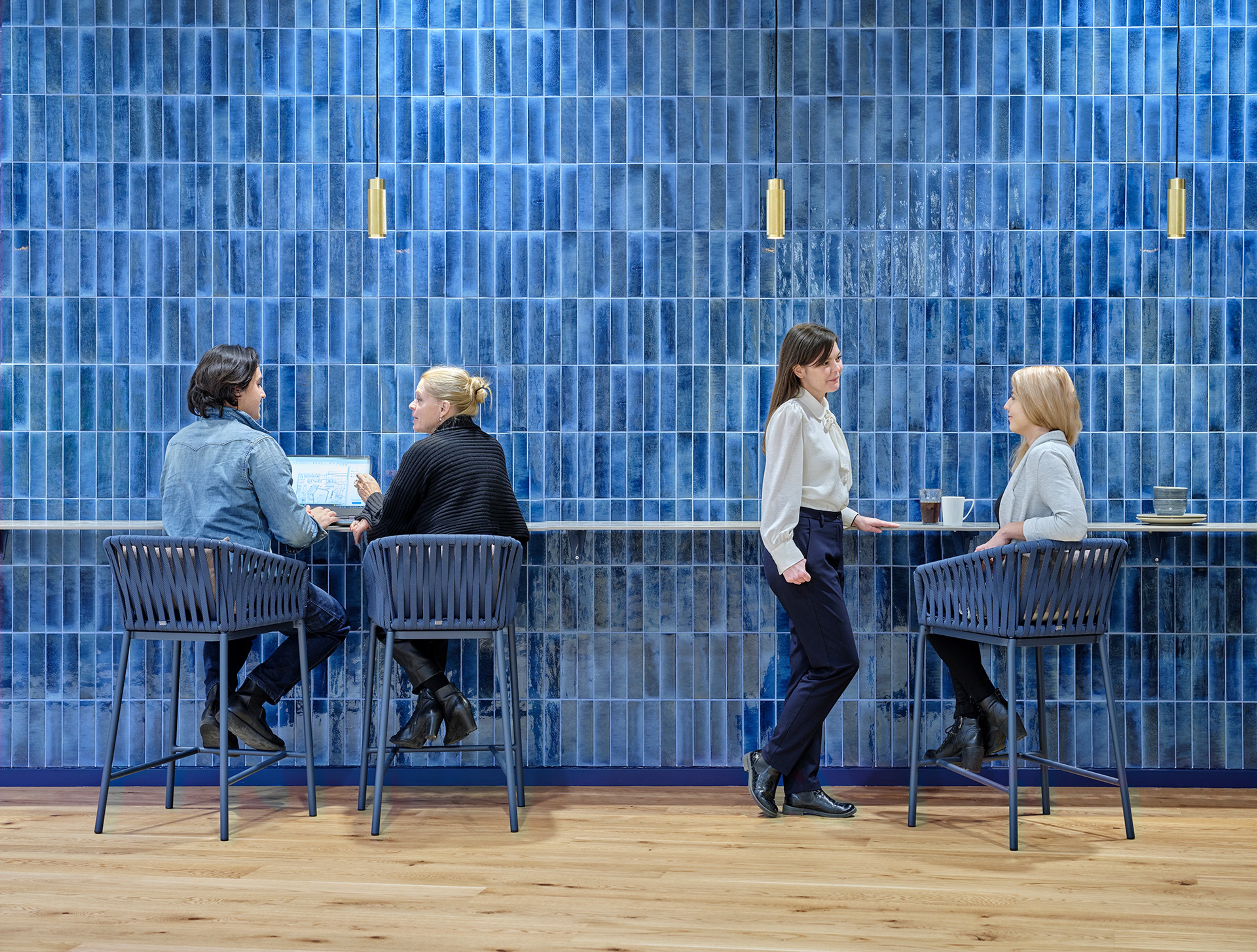
A headquarters empowering life-changing innovations
Genmab
Copenhagen, Denmark
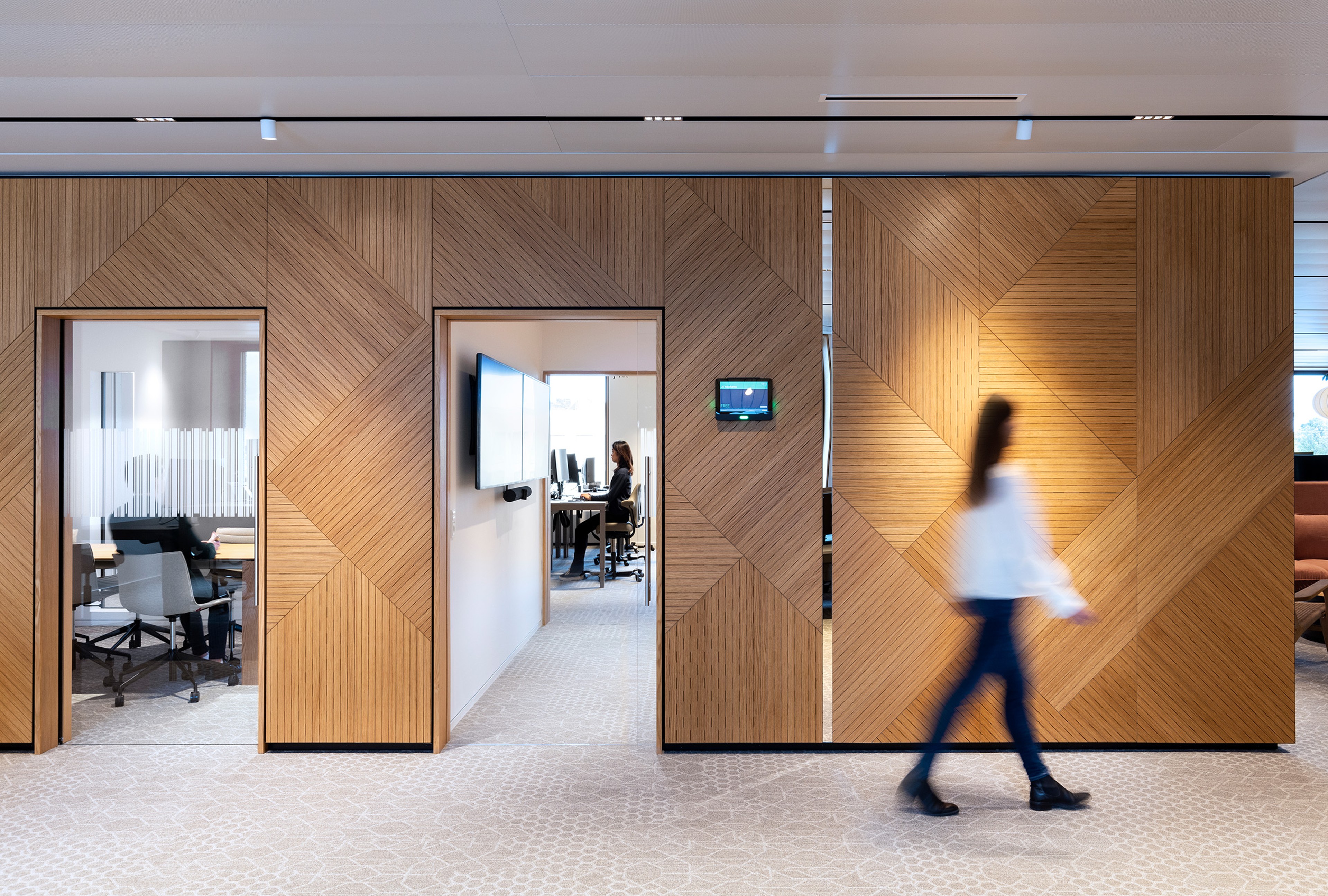
Driving cultural and cool transformation of iconic headquarters
Maersk
Copenhagen, Denmark
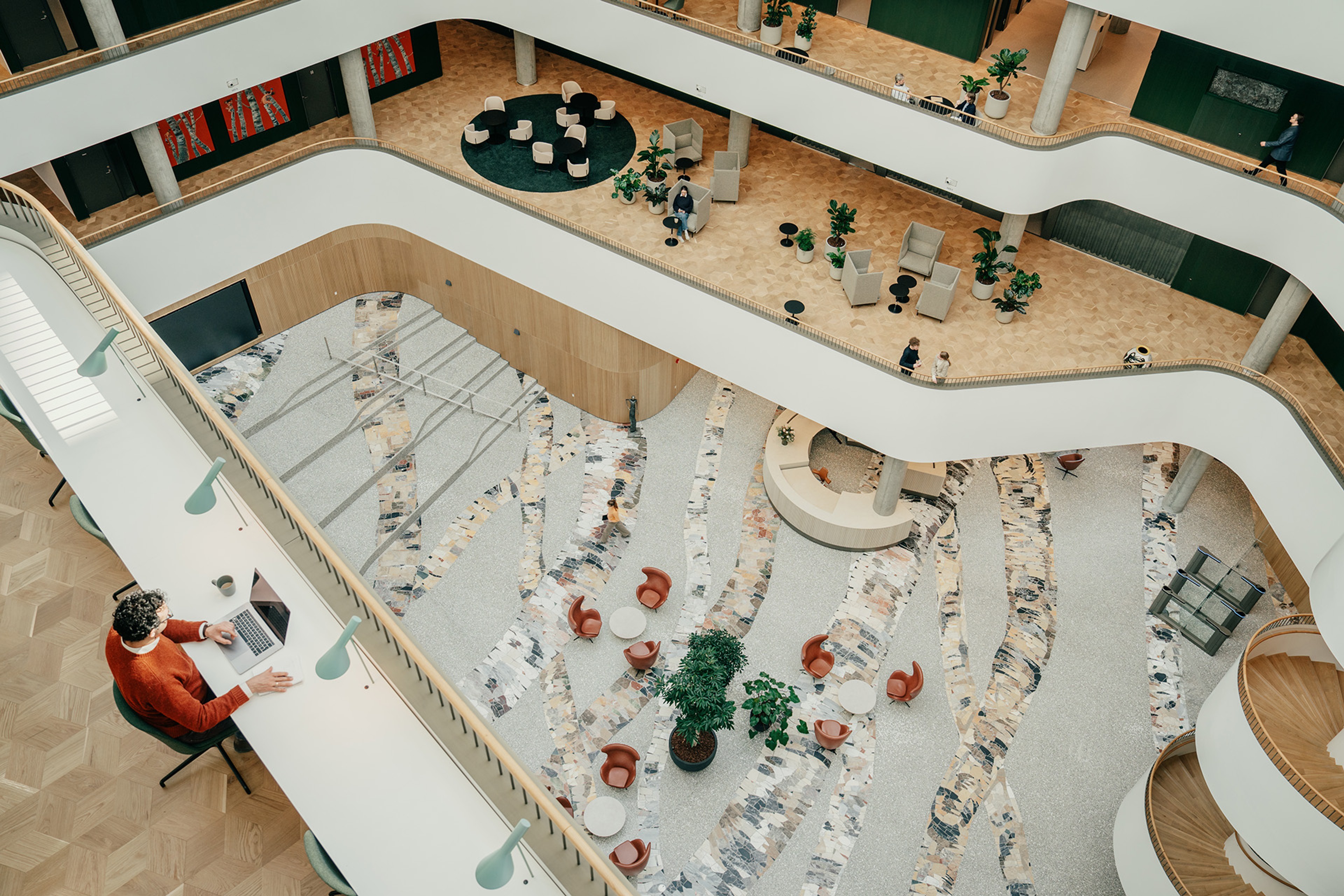
Gesamtkunstwerk as framework for pension company
AP Pension
Reach out